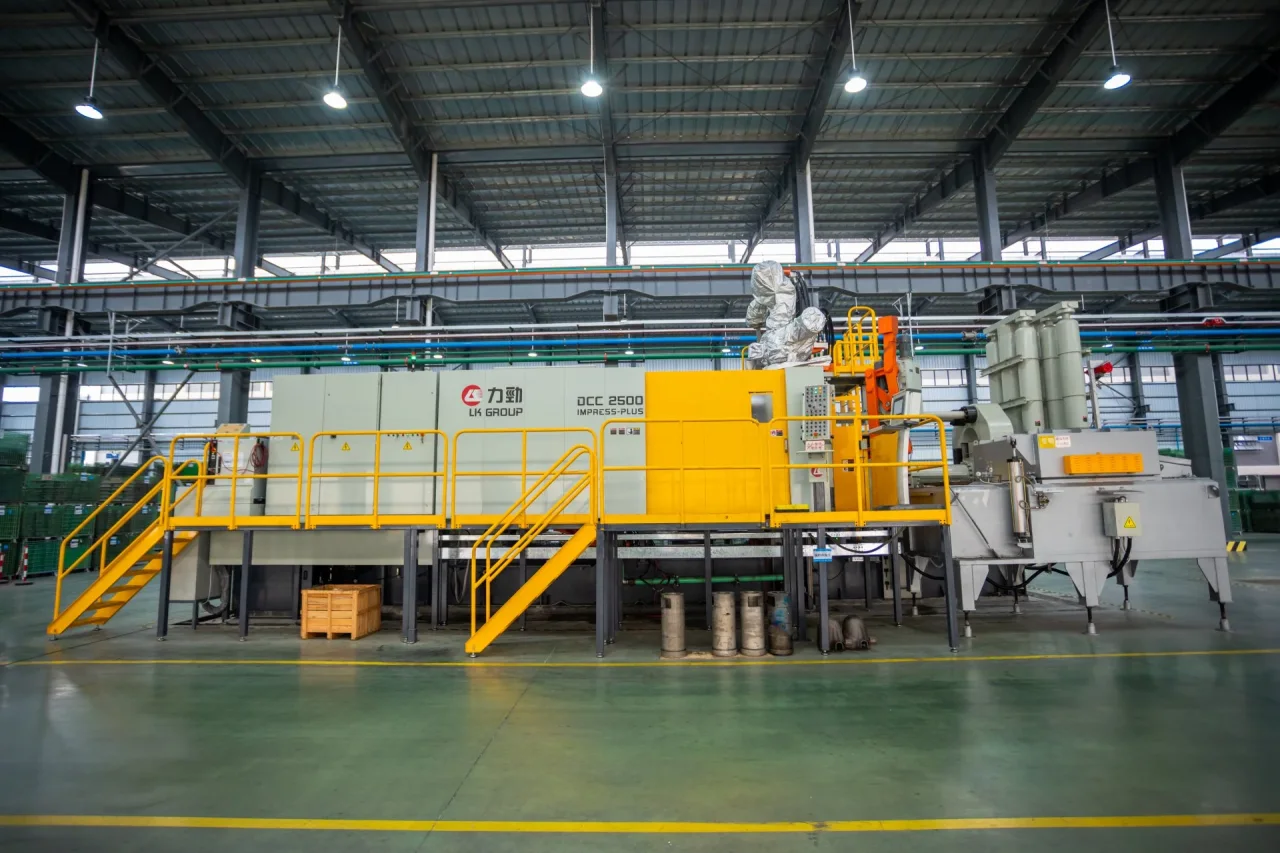
Die casting machine
Die casting machine with its injection unit and surrounding production area.

Review production and inspection equipment in relation to your part geometry, material, tooling and measurement requirements.

Browse five equipment groups, then review how the equipment and process relate to your part.
Die casting machines and production cells for the casting stage. Match the machine, die and alloy before confirming the production route.
180–2,500 metric ton-force (tf); 11 machines
Machine selection depends on the alloy, projected area, die dimensions and shot requirement. Confirm the chamber type and alloy configuration for each project.
| Clamping force | Machines |
|---|---|
| 180T | 2 |
| 300T | 2 |
| 400T | 1 |
| 650T | 1 |
| 800T | 2 |
| 1,000T | 2 |
| 2,500T | 1 |
| Total machines | 11 |
Clamping force is a force rating. Part weight, shot weight and the usable part envelope must be reviewed separately.
Die casting machine with its injection unit and surrounding production area.
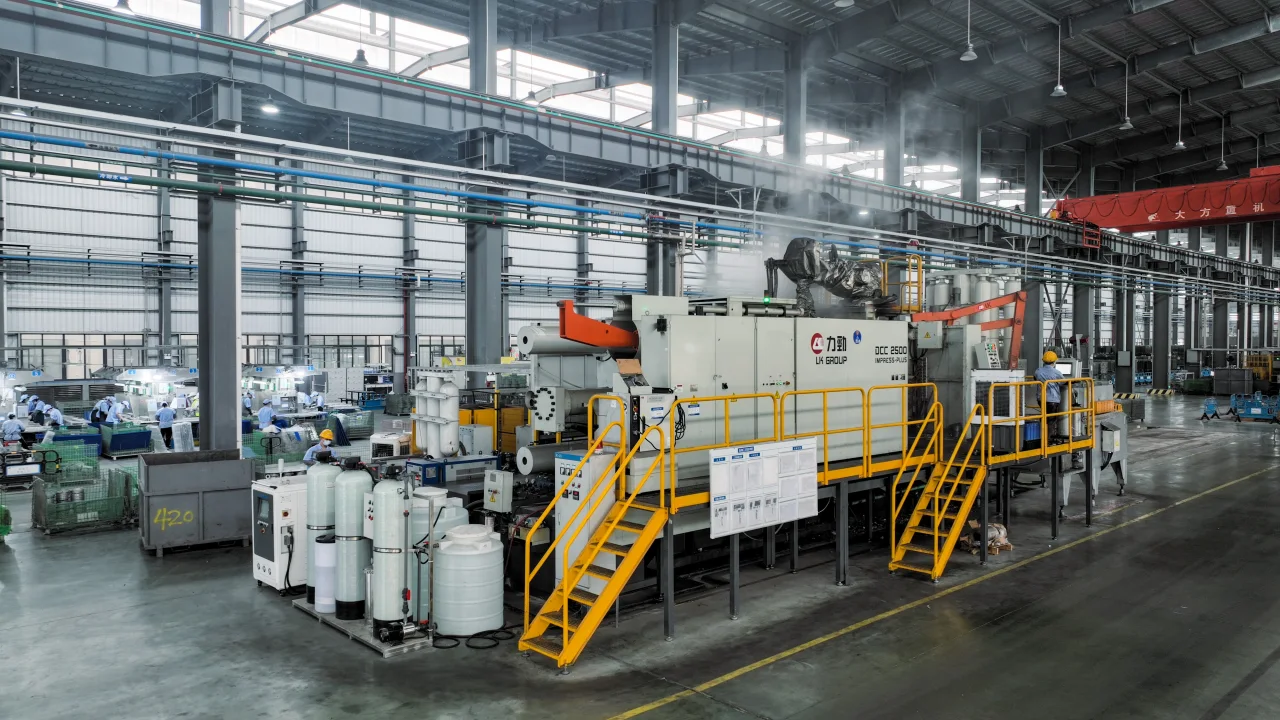
Die casting machines arranged along the production hall.
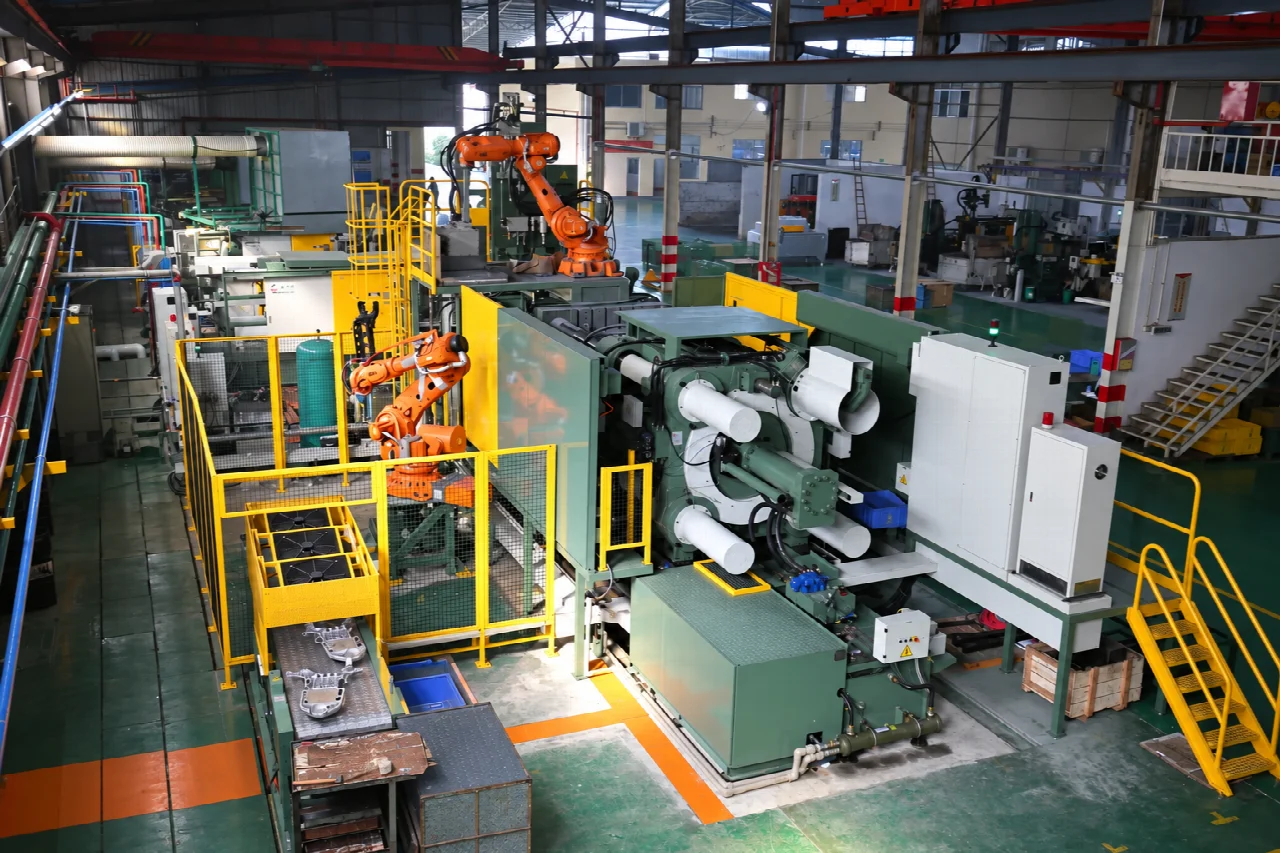
Die casting equipment and surrounding production area.
Project review: Alloy, projected area, shot requirement, die dimensions and production quantity.
Machining centers and workshop setups for secondary machining and precision features. Tool access, fixtures and setup sequence are reviewed with the drawing.
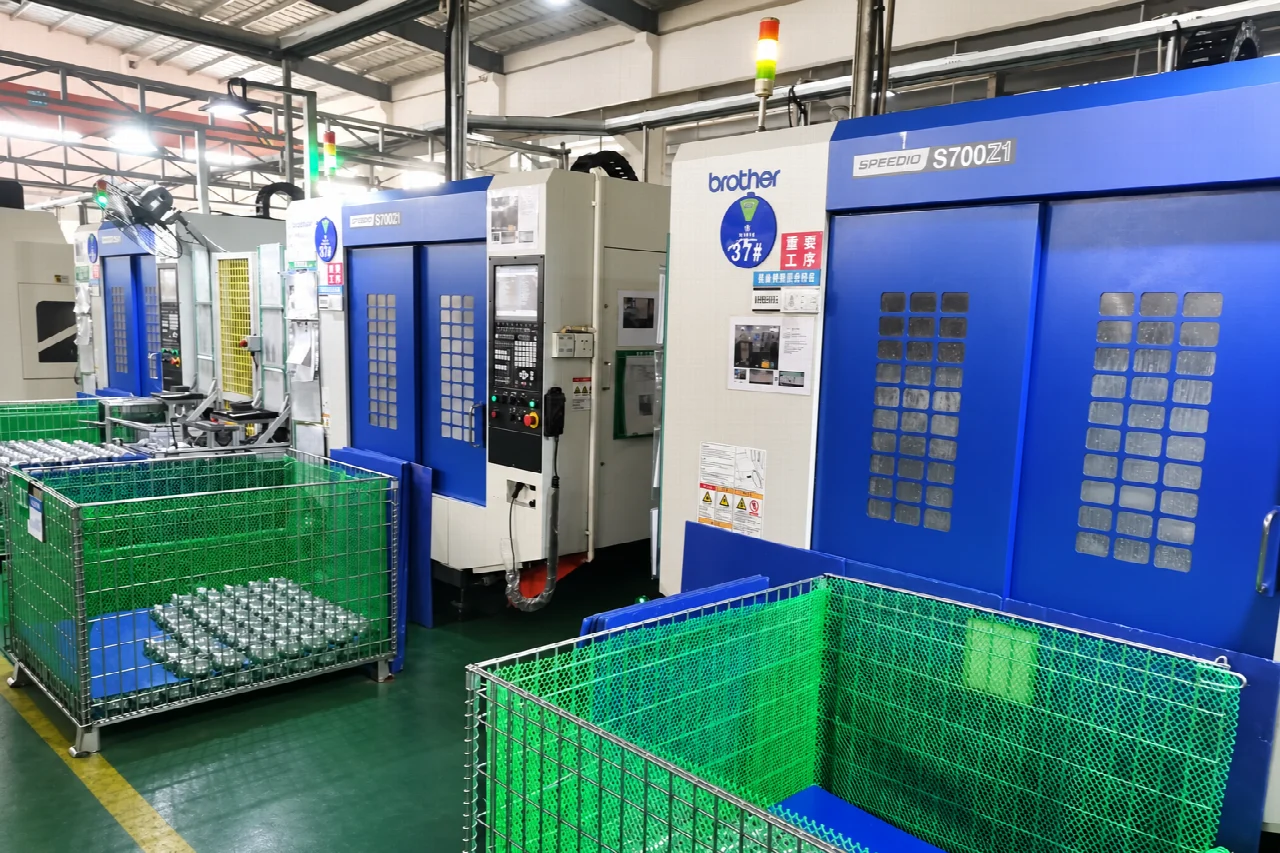
Enclosed CNC machining center and operator control panel.
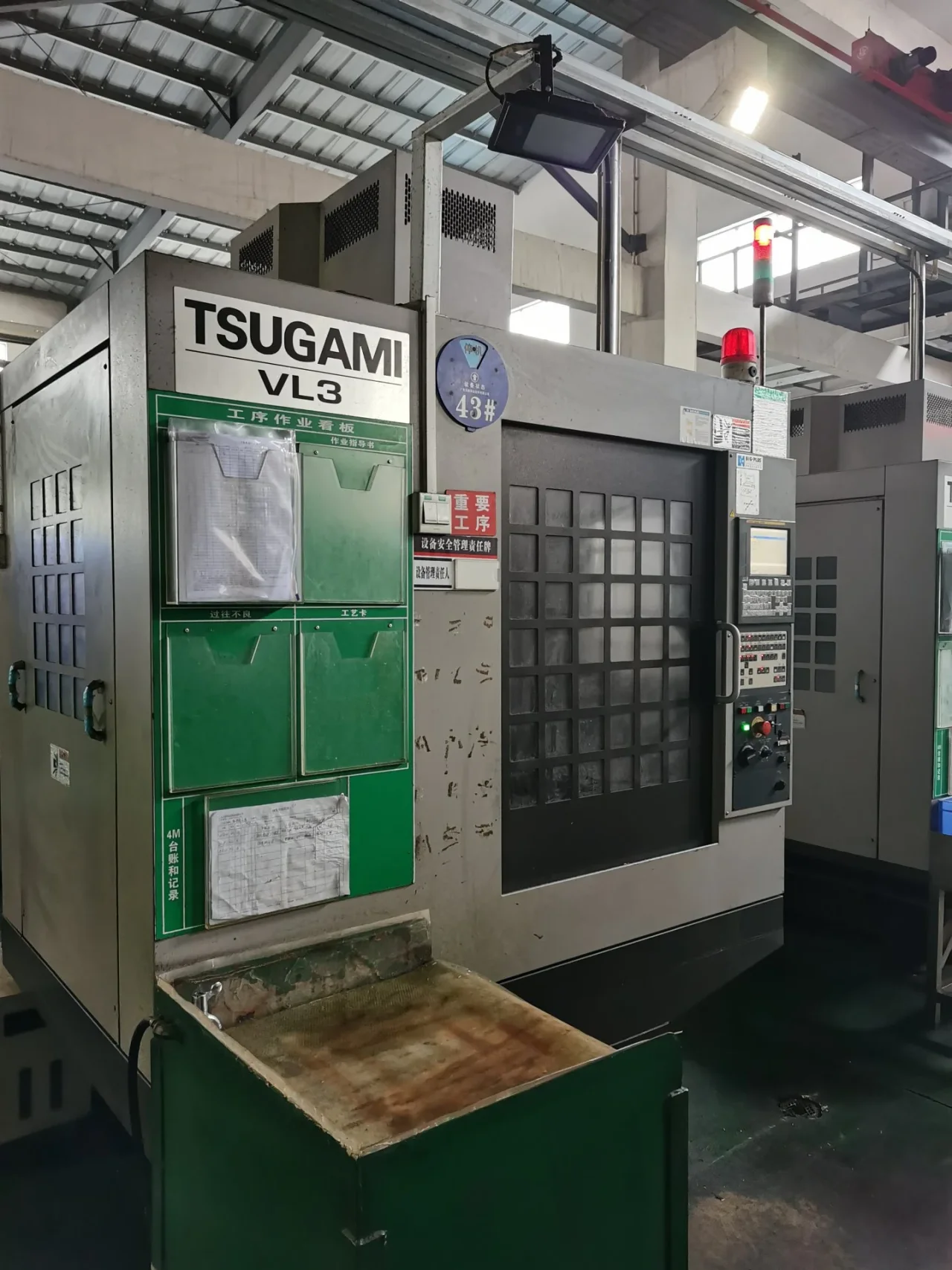
CNC machine with an enclosed work area.
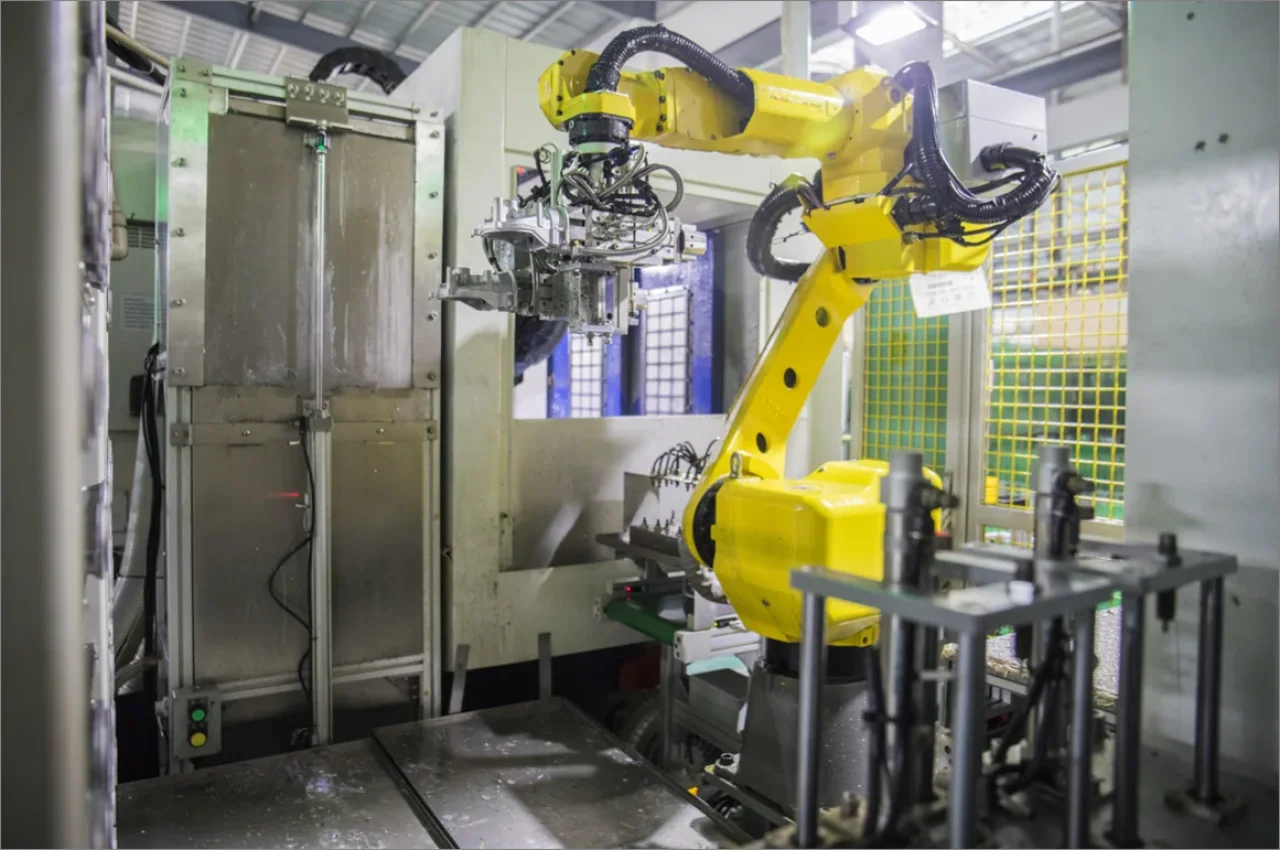
Automation equipment in the CNC machining workshop.
Project review: Part envelope, datums, machining access, critical features and batch size.
Milling and electrical discharge machining equipment for die components. Tool construction, cavity features and maintenance needs guide the tooling plan.
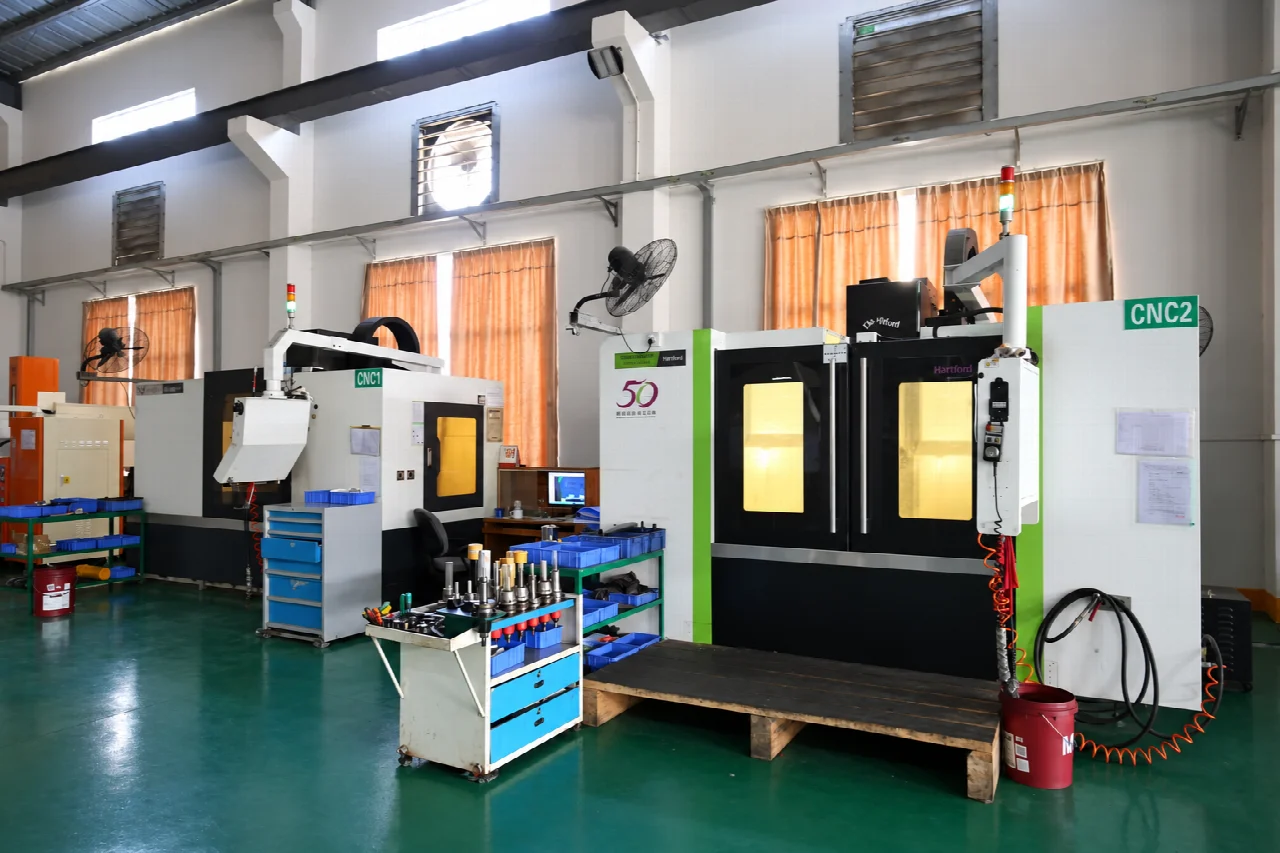
CNC milling equipment in the tooling workshop.
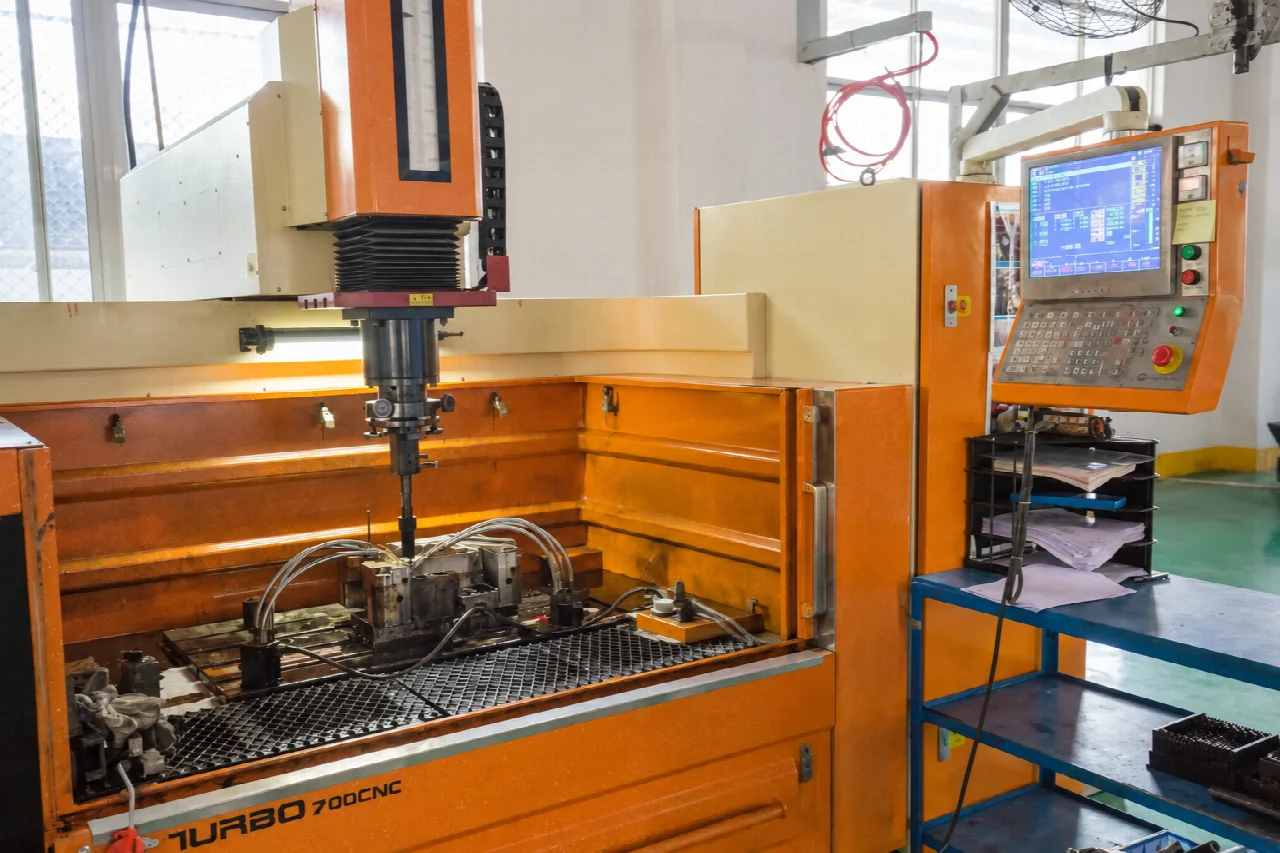
EDM machine with a tool component and control panel.
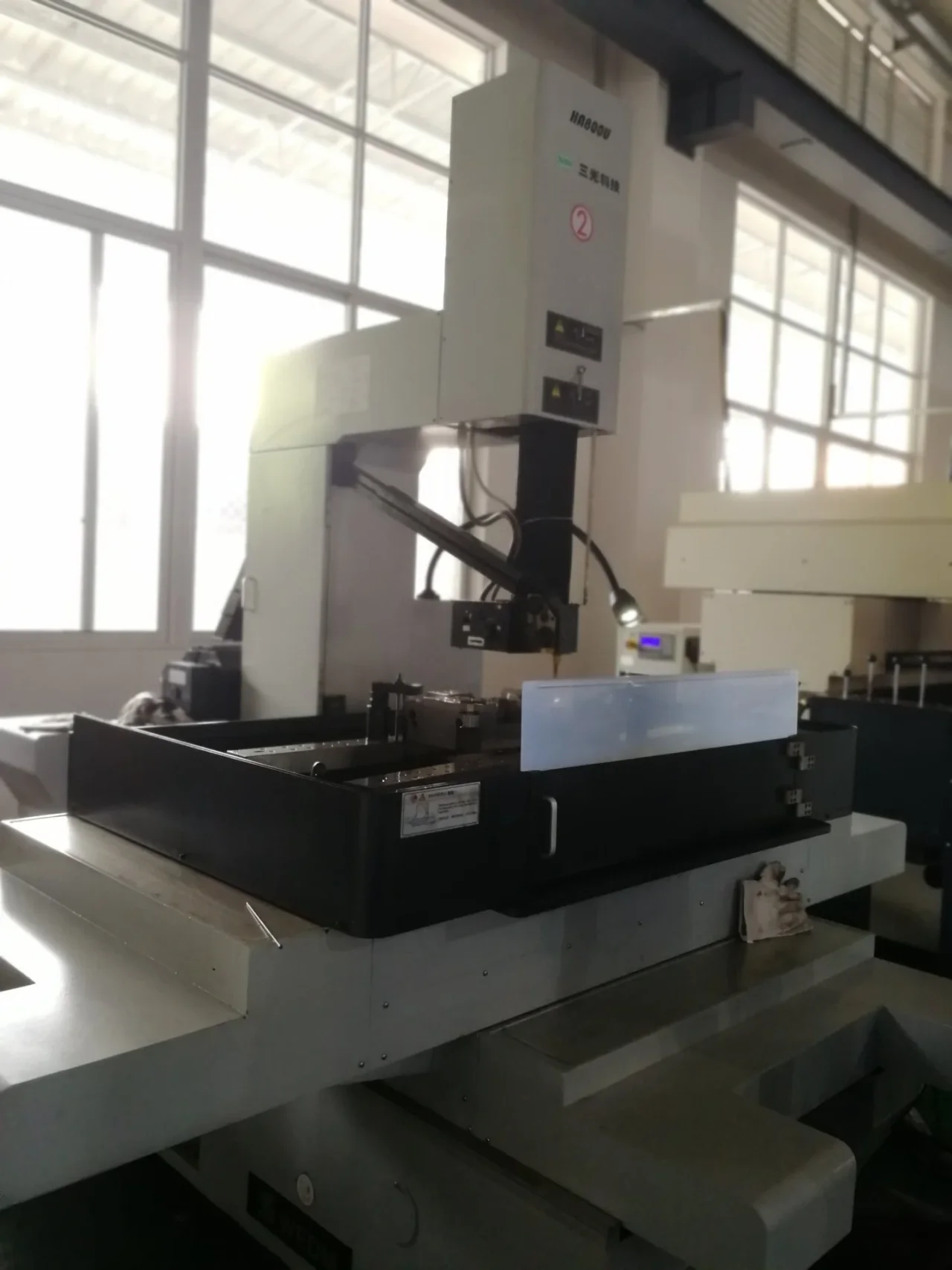
Wire electrical discharge machining equipment.
Project review: Die layout, tool material, cavity geometry, electrodes and maintenance requirements.
Surface preparation workstations and automated cells. The required finish, substrate, masking and acceptance criteria determine the applicable operations.
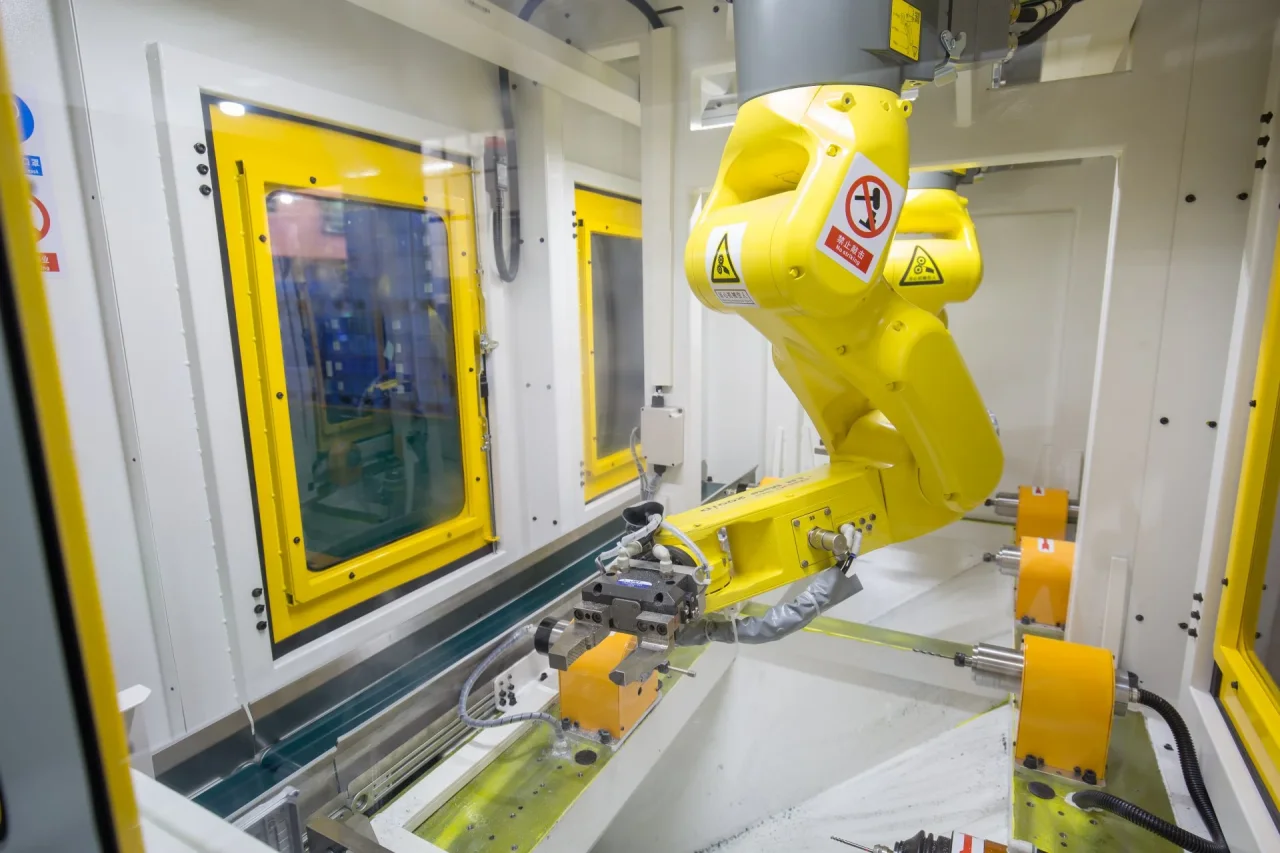
Yellow industrial robot inside an enclosed processing cell.
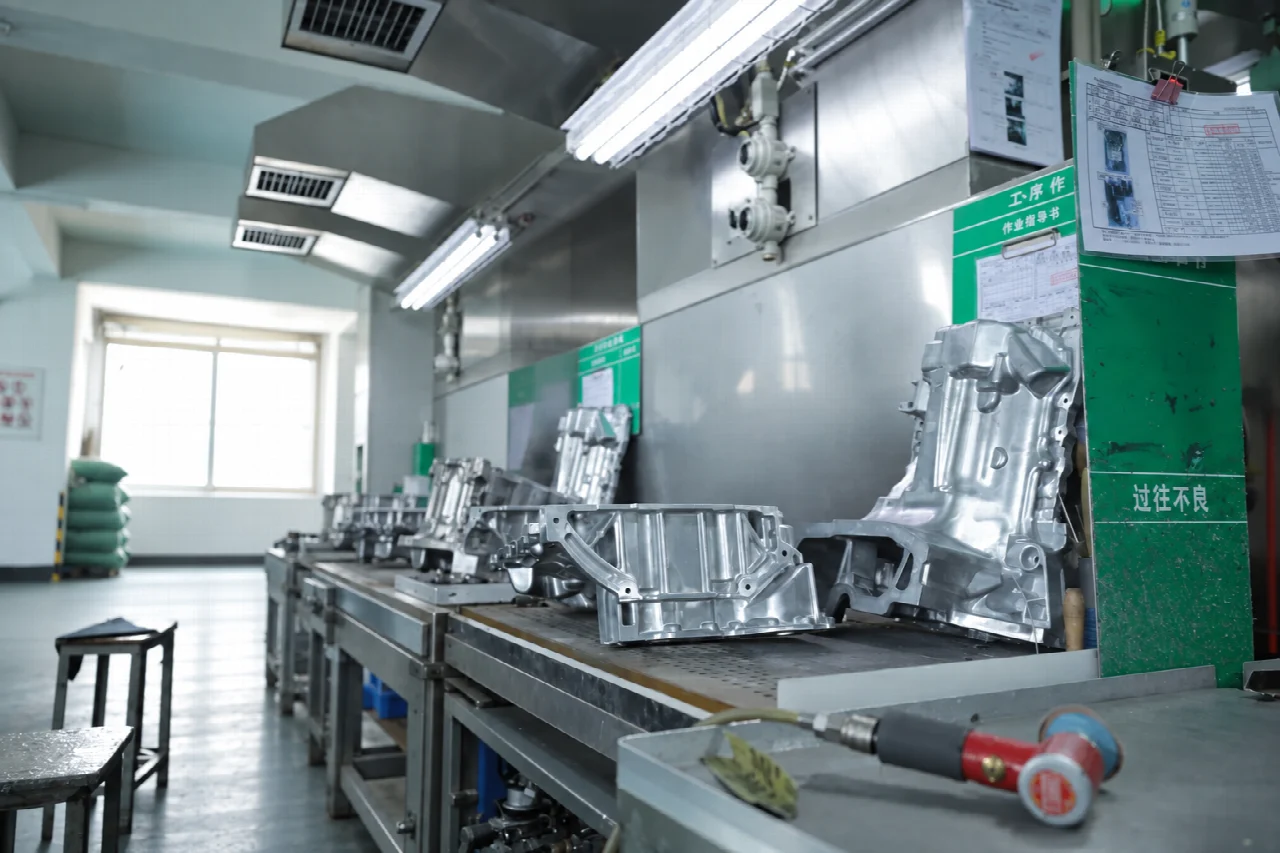
Metal housings and handheld tools at a surface preparation workstation.
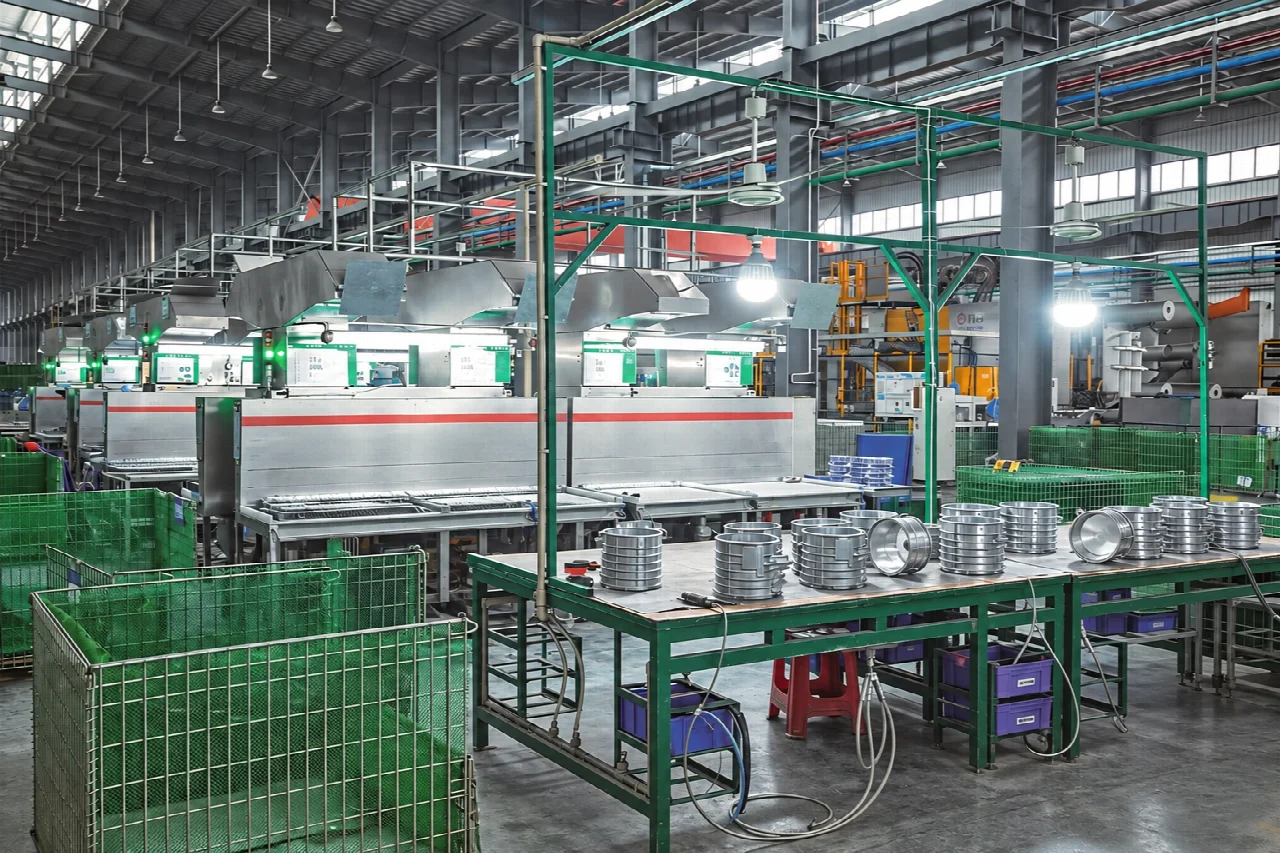
Surface processing workstations and extraction hoods in the workshop.
Project review: Base material, finish specification, protected features and appearance criteria.
Dimensional, optical and material inspection instruments. Measurement access, method and reporting requirements are planned alongside production.
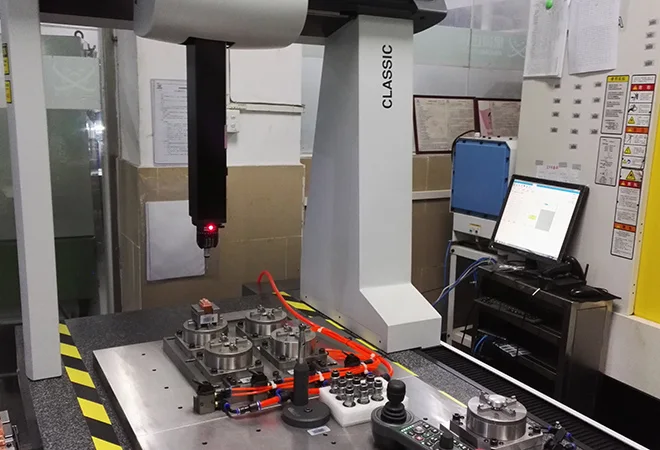
Coordinate measuring machine with a fixtured component and adjacent computer.
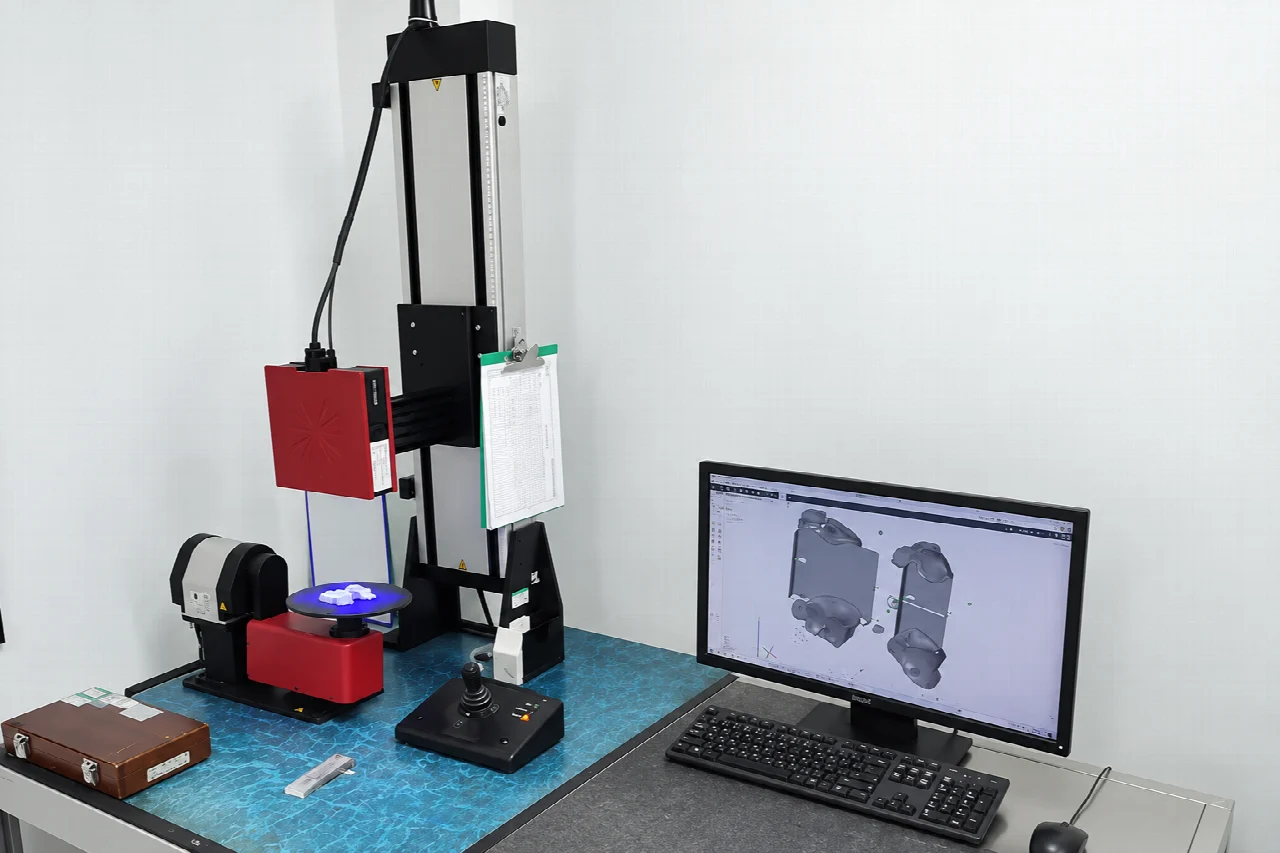
Optical scanning station with a rotary stage and scan display.
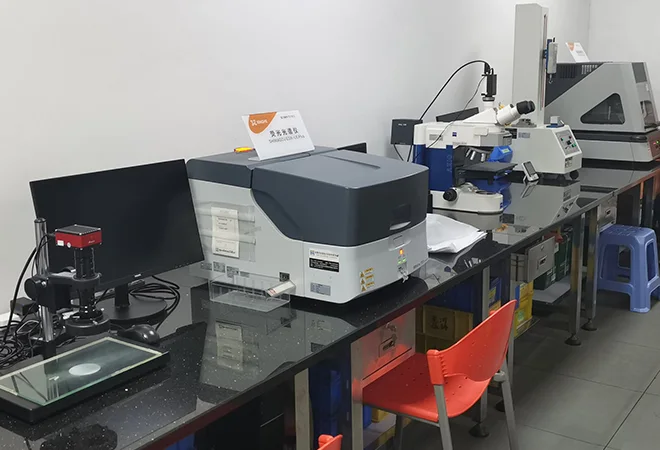
Benchtop spectrometer among instruments in the inspection room.
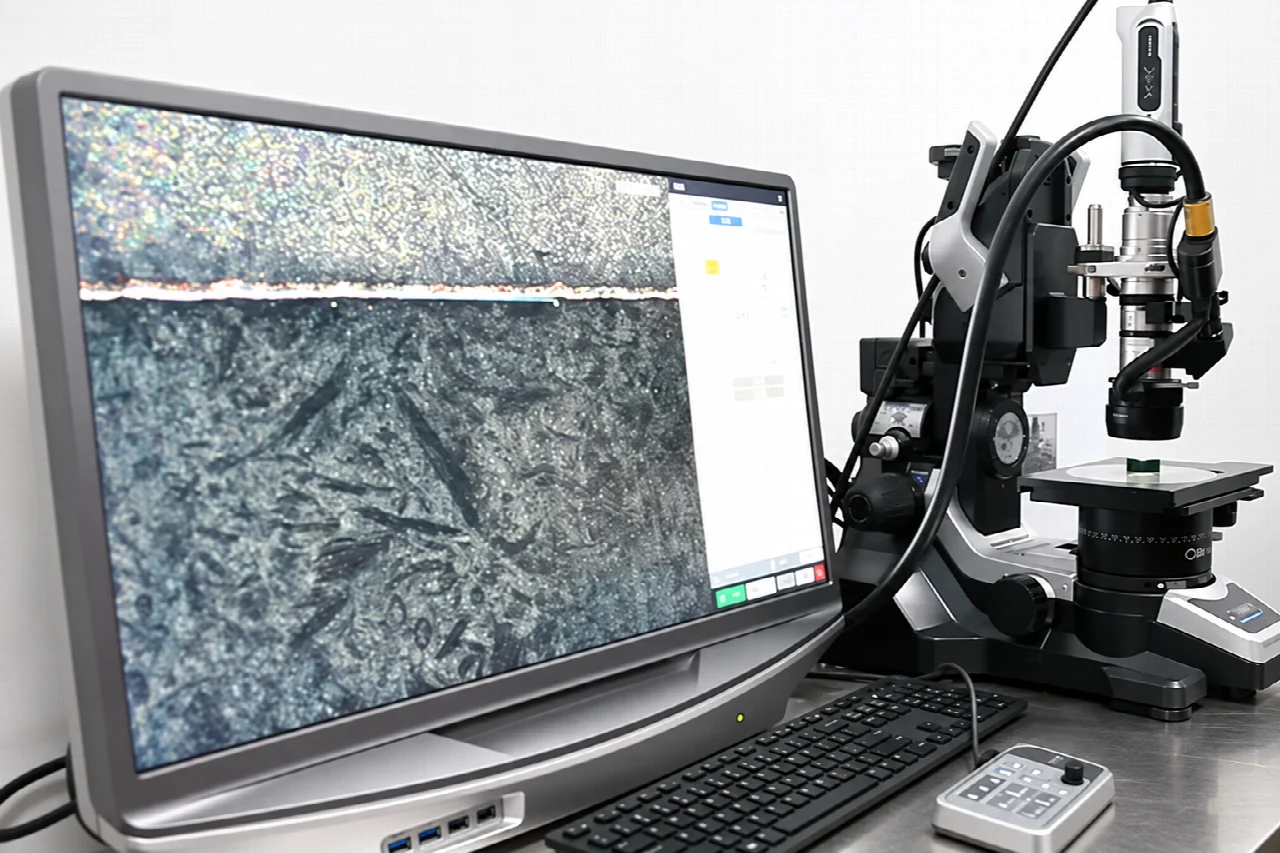
Digital microscope, inspection stage and magnified image on a monitor.
Project review: Critical characteristics, datums, tolerance, sampling and required inspection records.
Photos show equipment and workshop arrangements. Machine availability, configuration, working range and inspection capability are confirmed for the proposed production route.
Equipment selection considers the work envelope, machine configuration, tooling, workholding, material and required operations. For die casting, the review also considers shot capacity, projected area and die compatibility. For CNC machining, tool access, travel and setup strategy are key factors.
The measurement method must suit the specified features, tolerances, surface condition and inspection access. Identify critical characteristics, sampling and reporting needs in the RFQ.
Send the drawing, material specification and quantities to discuss the proposed equipment and production route. Where equipment documentation is required for supplier approval, identify the information needed during quotation.
Machine configuration, working envelope, tooling compatibility, workholding and measurement capability should be evaluated against your part. A model name or axis count alone is insufficient.
Selection depends on the drawing, feature geometry, tolerance, accessibility, surface condition and required measurement records.
Include the requested machine, configuration, capacity or measurement information with your RFQ so its scope and availability can be confirmed.
Send your drawing, material specification, quantities and critical inspection requirements. Include any equipment records needed for supplier qualification.