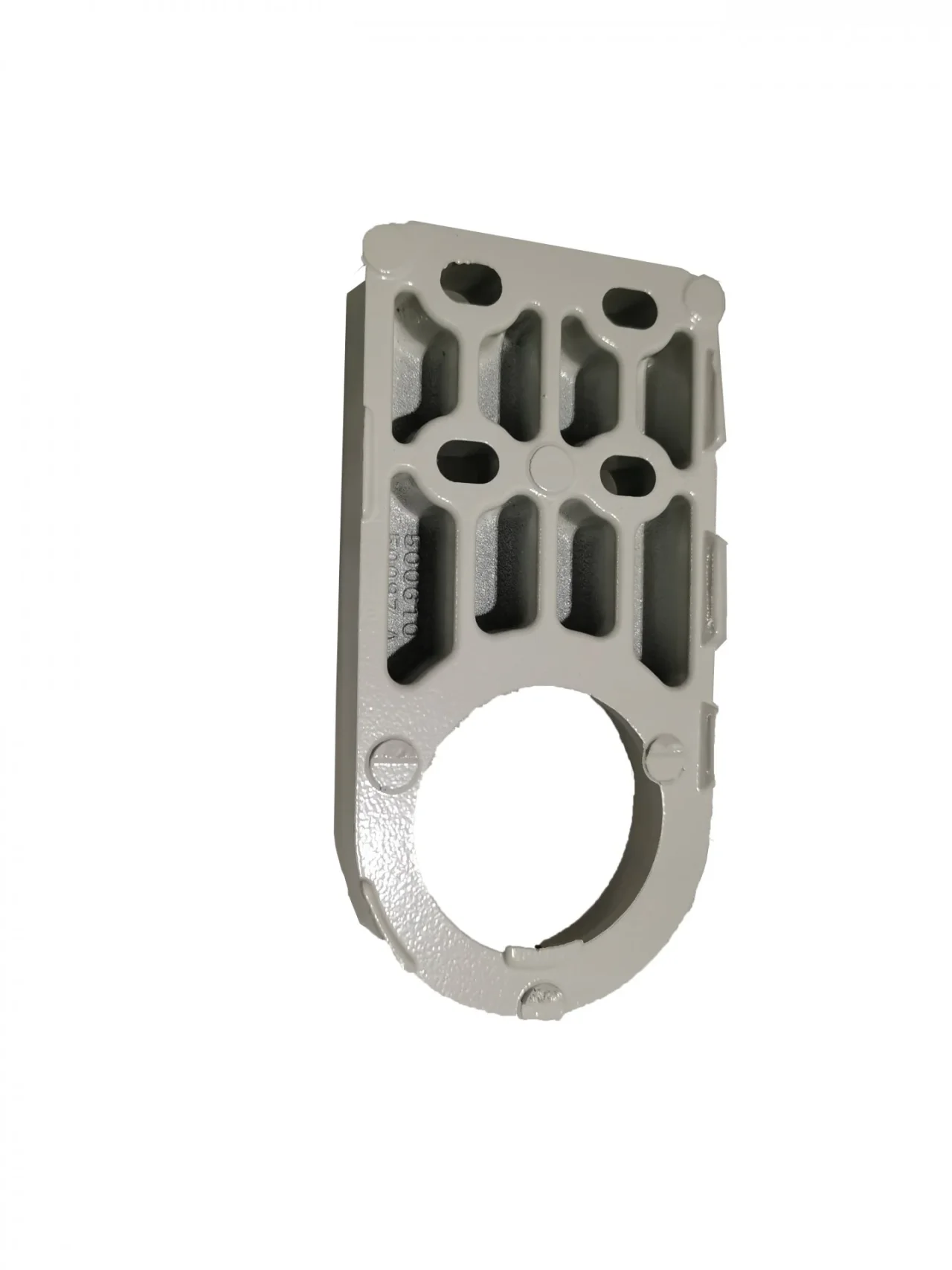
Robotics
Housings, brackets, joints and end-effector components manufactured to specified weight, fit and alignment requirements.
Review focus
Bearing fits, coaxial bores, moving mass and assembly alignment.

Explore die casting and CNC machining approaches for robotics, automation, automotive, electronics and semiconductor equipment.

Explore component examples and the requirements that shape their manufacture. Use the application guide to prepare the drawing, interfaces and acceptance criteria for review.
Housings, brackets, joints and end-effector components manufactured to specified weight, fit and alignment requirements.
Review focus
Bearing fits, coaxial bores, moving mass and assembly alignment.
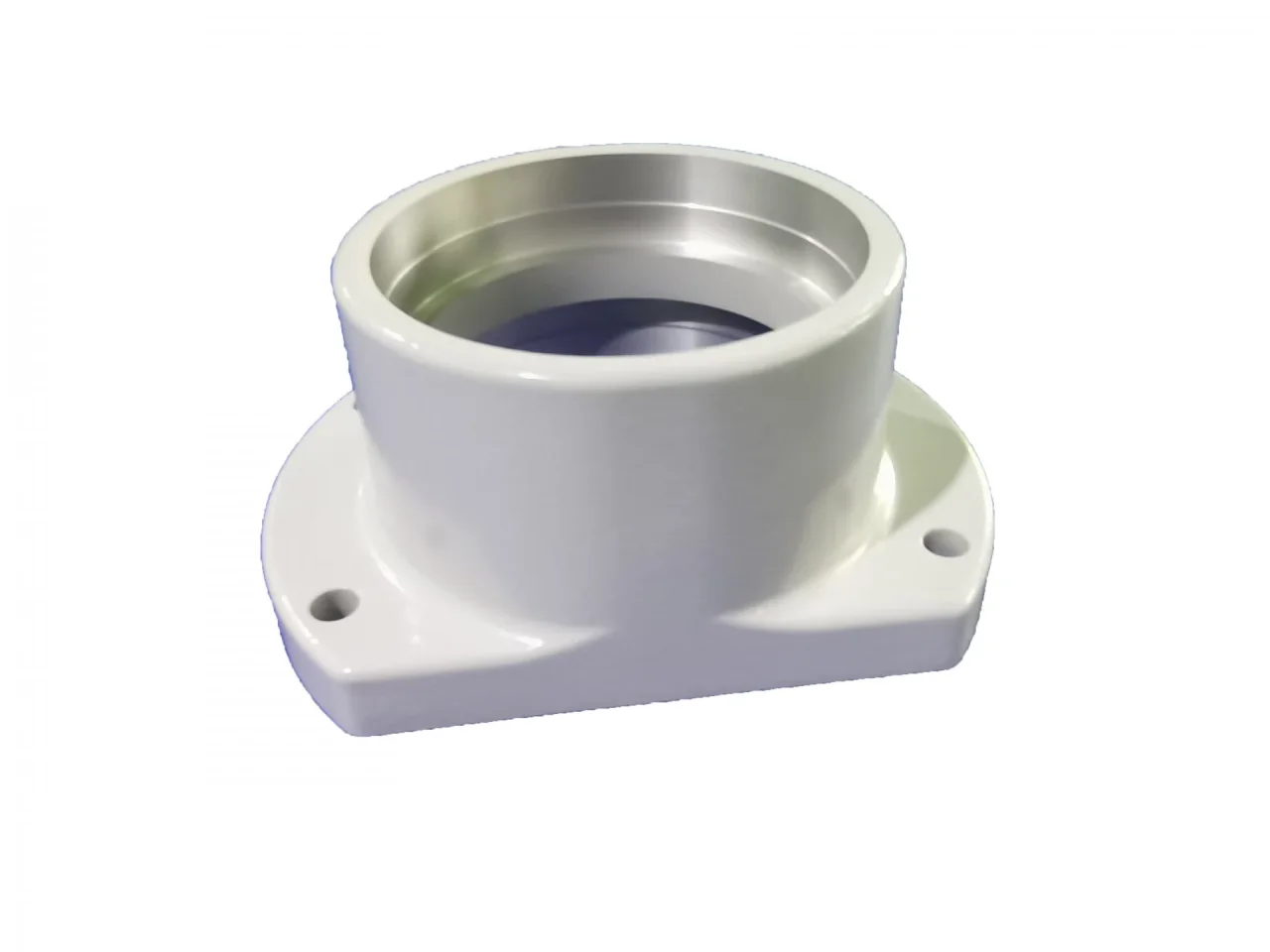
Machined and cast components for motion, sensing, handling and production equipment.
Review focus
Interchangeability, wear, fluid passages and replacement-part revisions.
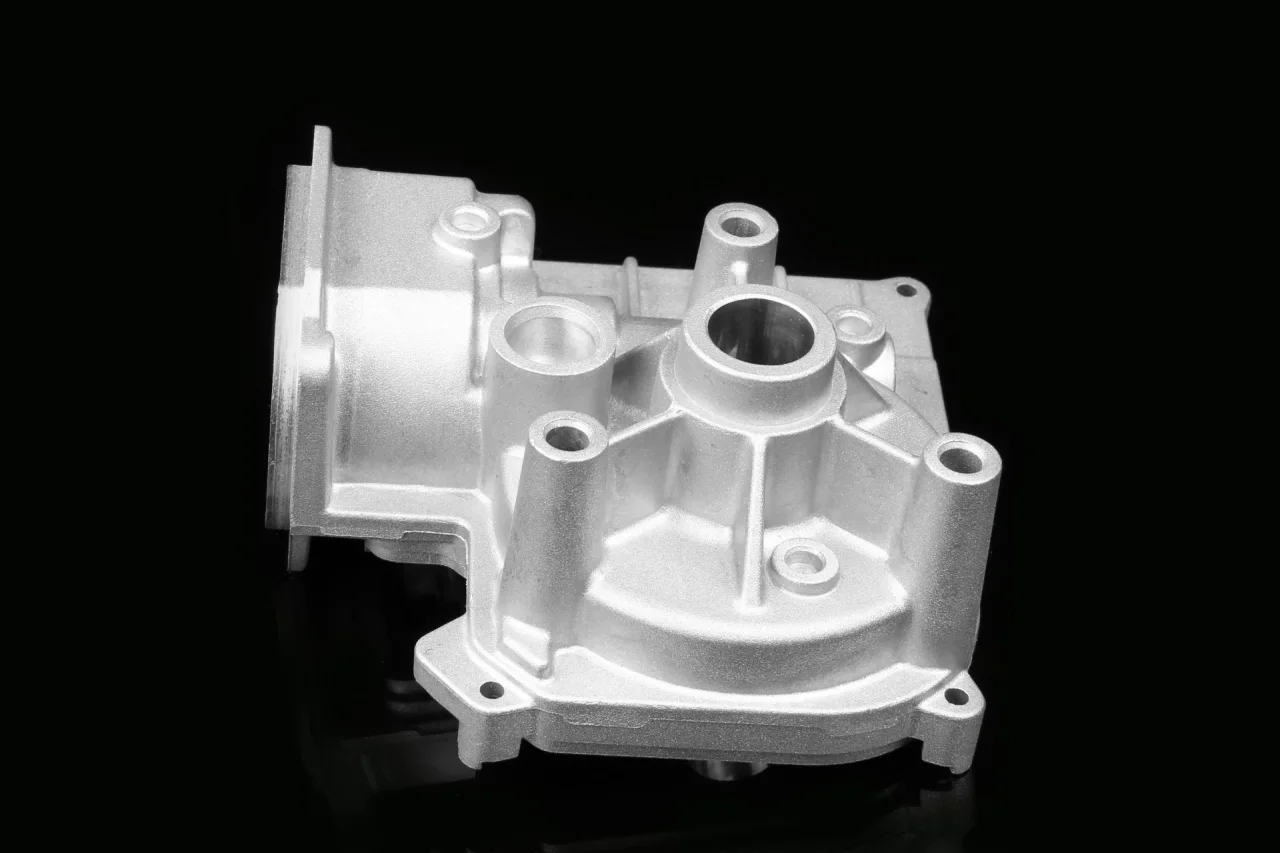
Production-oriented die casting and machining for housings, brackets and structural components.
Review focus
Design stability, tooling readiness, traceability and customer approvals.
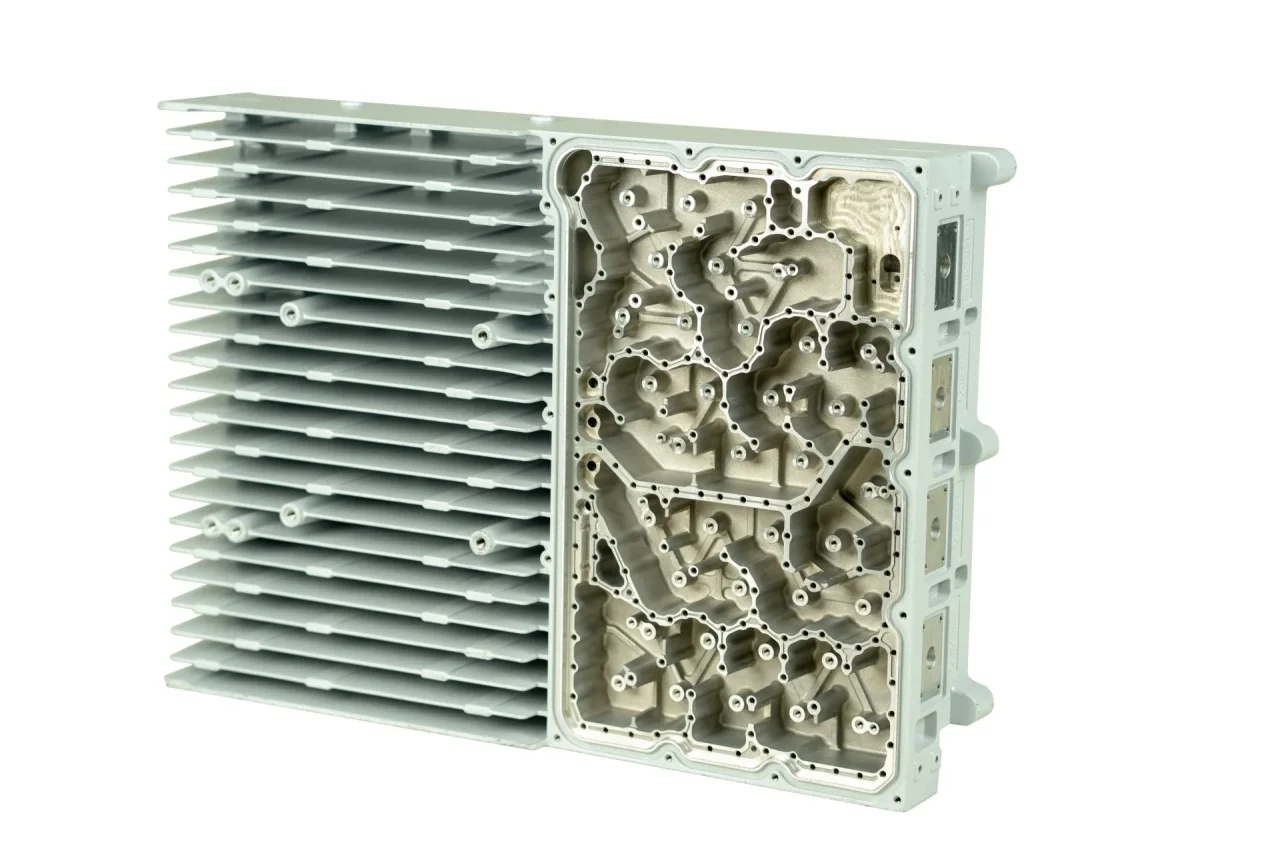
Cast and machined enclosures, heat sinks and housings for electronics, with defined thermal, sealing and mounting interfaces.
Review focus
Thermal interfaces, mounting features, sealing and finish requirements.
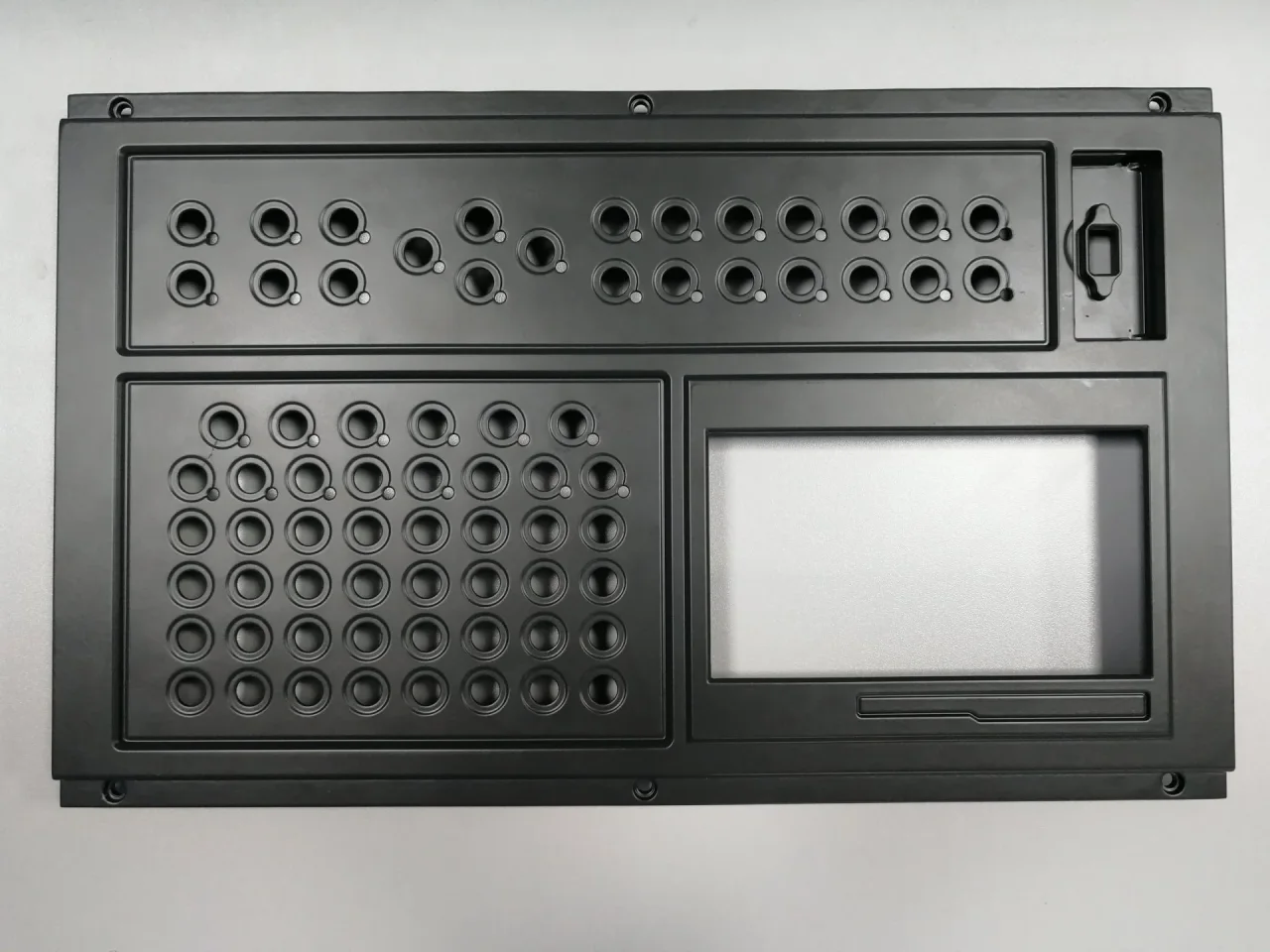
Machined equipment components with project-specific requirements for geometry, surface condition, cleanliness and inspection.
Review focus
Controlled surfaces, cleanliness, material records and handling.

Optical transceiver housings, covers and precision metal components for optical communications equipment.
Review focus
Mating interfaces, enclosure dimensions and uncoated surfaces.

Motor housings, power control enclosures and charging equipment components.
Review focus
Mounting datums, sealing faces, cleanliness and specified tests.

Rotating supports, bearing housings, end covers and control panels for electromechanical systems.
Review focus
Bearing fits, hole positions and dimensions after surface treatment.

Equipment housings, junction boxes and heat sinks for telecommunications systems.
Review focus
Cooling features, sealing interfaces and coating restrictions.
An industry name does not determine the manufacturing process. Review material, geometry, demand and critical features together, including changes between prototype and production.
Review repeat production with a defined alloy, casting geometry and tooling plan. Include draft, parting features and the secondary operations needed for the final component.
Review process →Review prototypes, evolving designs and machined components against stock form, access, workholding and critical dimensions. Quantities and geometry inform the machining plan.
Review process →Combine a cast starting shape with machined datums, bores, threads and mating faces. Agree allowances, locating strategy and final inspection conditions.
Review process →Manufacturing process selection depends on part function, failure risk, demand, material, geometry, interfaces, operating environment and inspection requirements.
ZAODA reviews robotics, automation, automotive, electronics, and semiconductor-equipment components through the same drawing-based process, then adapts control and documentation to the application.
We compare geometry, quantity, material, design maturity, secondary operations and inspection requirements before recommending CNC machining, die casting, or a combined route.
Provide the CAD model, controlled drawing, order quantities and annual demand, operating environment, critical interfaces, finish, tests, documentation, packaging, and any customer-specific quality requirement.
Provide customer-specific quality, validation and documentation requirements with the RFQ so scope and availability can be confirmed before order acceptance.
Plan finishing, inspection and assembly around the interfaces and surfaces that matter in service.
Define coating, masking, appearance and the surfaces that must retain fit or contact after finishing.
Finishes →Identify critical characteristics, measurement conditions and required records for the component.
Quality →Specify inserts, fasteners, fit checks, identification, handling and packaging requirements.
Product Assembly →The review considers function, geometry, material, quantities, design maturity and inspection requirements to compare CNC machining, die casting or a combined process.
Include operating loads, temperature, corrosion exposure, critical interfaces, cleanliness, finish, required tests and customer-specific quality requirements.
Yes. Prototype and production quantities may justify different starting materials, tooling and workholding. Material properties and functional requirements must be reviewed before changing the process.
Share your drawing and application requirements, even if your industry is not listed. Include the questions you need to resolve about materials, processes or acceptance.