
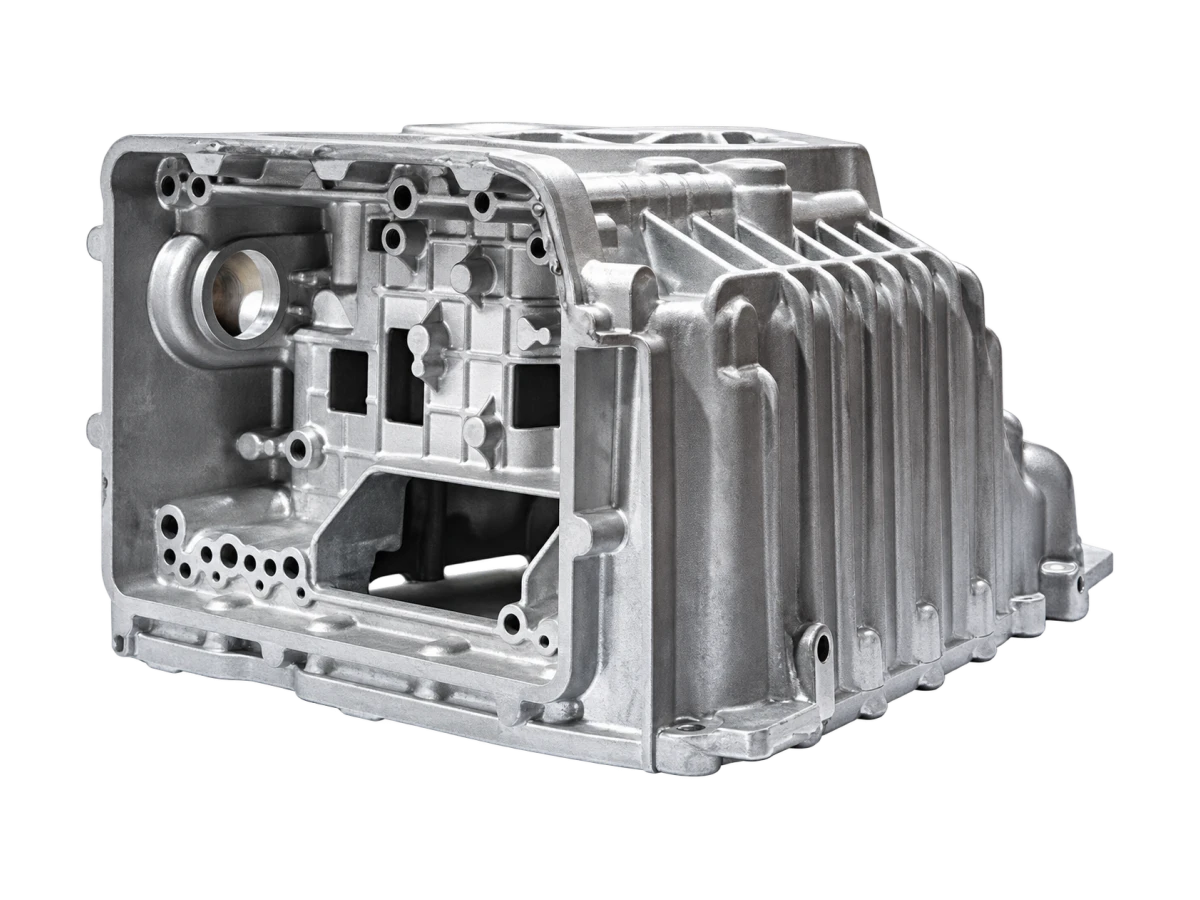
Choose the component, then review the route
A custom metal component starts with its job in the assembly. Heat sinks need a defined thermal path. Enclosures need mounting and sealing interfaces. Motor housings need controlled bearing and flange relationships. Hardware needs a clear load, fit and appearance specification.
Use the product families above to identify the questions that matter for your part. These pages describe drawing-led component types; final material, geometry, tooling, machining, finishing and inspection are agreed for the actual project.
Connect casting with the operations that complete the part
Die casting can integrate ribs, bosses, fins and repeated geometry into a near-net body. Secondary CNC machining controls selected bores, threads, sealing lands and mating faces. Finishing must account for cosmetic zones, masking and dimensional allowances. Review these operations together so that the quoted route covers the finished component.
Send the information that makes a quotation useful
Provide a 3D model, controlled 2D drawing, material specification, finish requirements and expected quantities. Mark critical interfaces and include mating-part information where fit, sealing, heat transfer or electrical contact matters. State any inspection reports or functional tests required for acceptance.
The review can then address design risks, the practical production route, tooling scope and the information still needed before release.