Process scope
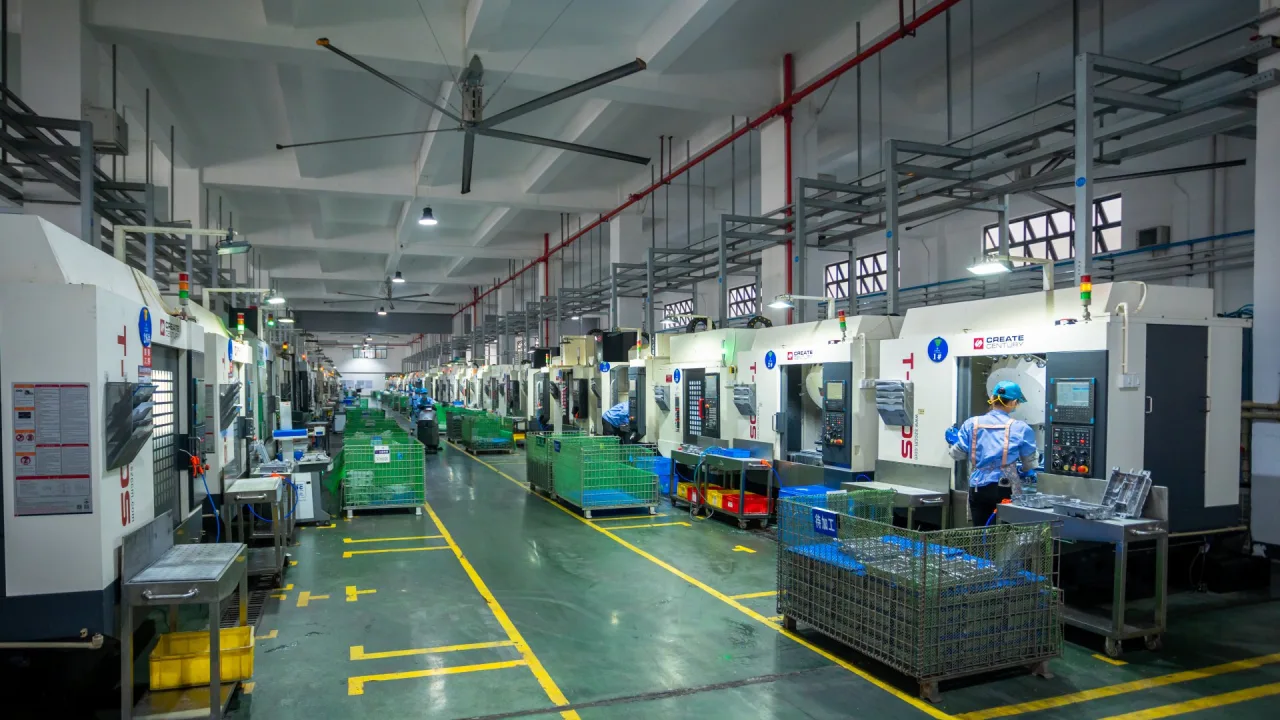
Die casting produces the near-net shape, while CNC machining finishes features that require tighter dimensional control or a specified surface condition. Typical features include bearing seats, sealing faces, bores, threads and mounting datums.
Datums and workholding
Define the relationship between casting locators and finished-part datums. Fixtures should use stable locating surfaces, avoid flash and parting-line variation, and support the casting without excessive clamping distortion. The inspection plan must identify whether dimensions apply in the free state or under specified restraint.
Machining review
Confirm machining allowances, cast-to-machined relationships, tool and probe access, cuts that may expose porosity, intersecting burrs and cleaning requirements. Account for coating thickness and protect cosmetic or finished surfaces throughout handling and machining.
Inspection and acceptance
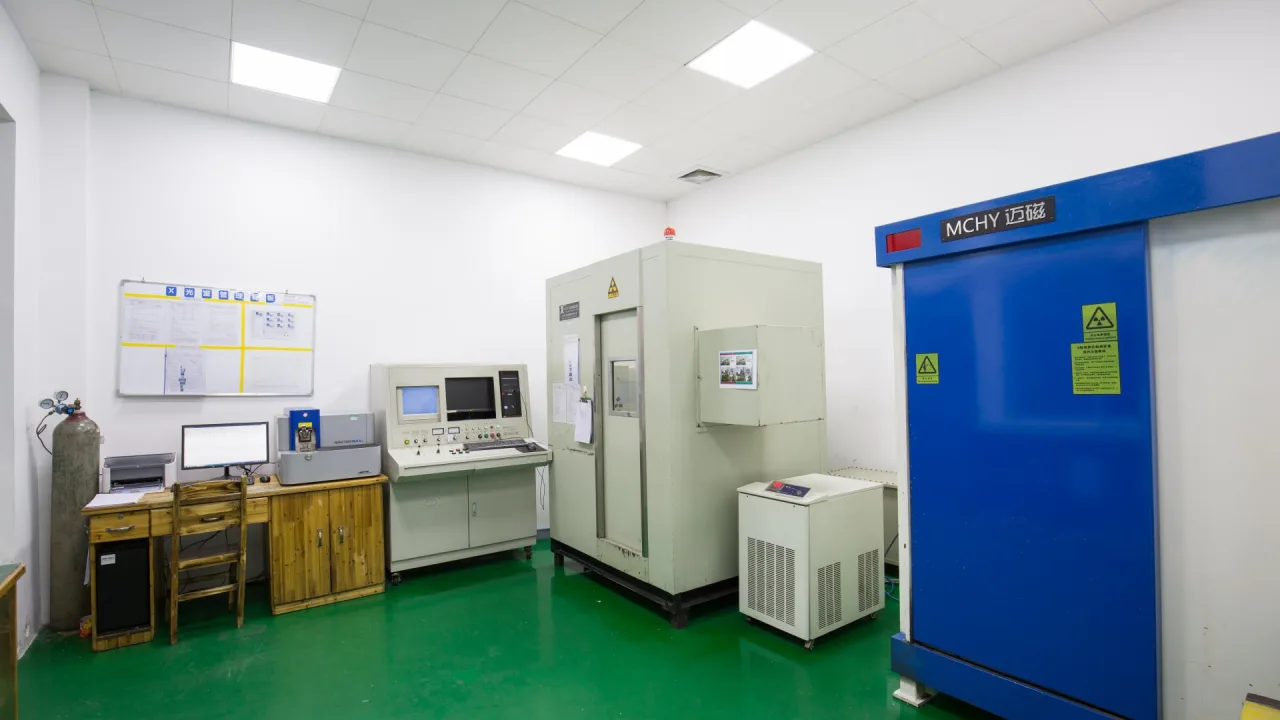
First-article records should distinguish as-cast and machined characteristics. Production control addresses incoming casting variation, fixture condition, tool wear, machining offsets and specified dimensions. Include cleanliness, leakage or other functional tests where required by the drawing and quality plan.