
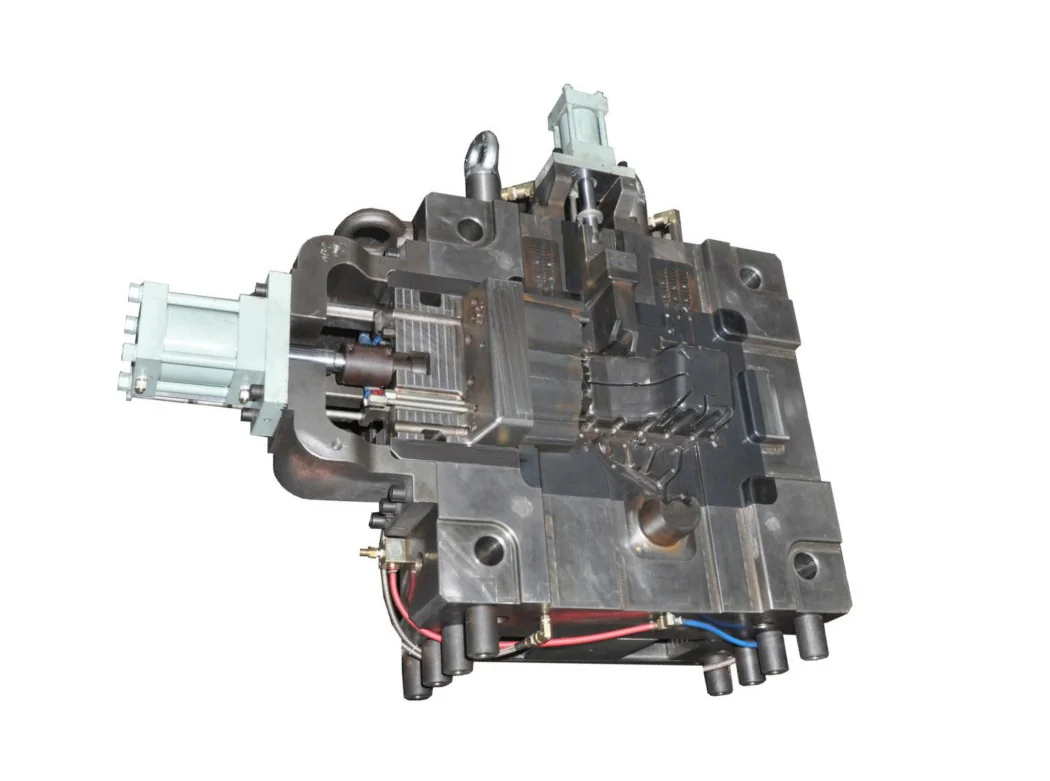
Transferring die casting tooling requires a technical restart plan as well as physical shipment. Ownership, tool condition, machine compatibility and production records should be resolved before the original production route is interrupted.
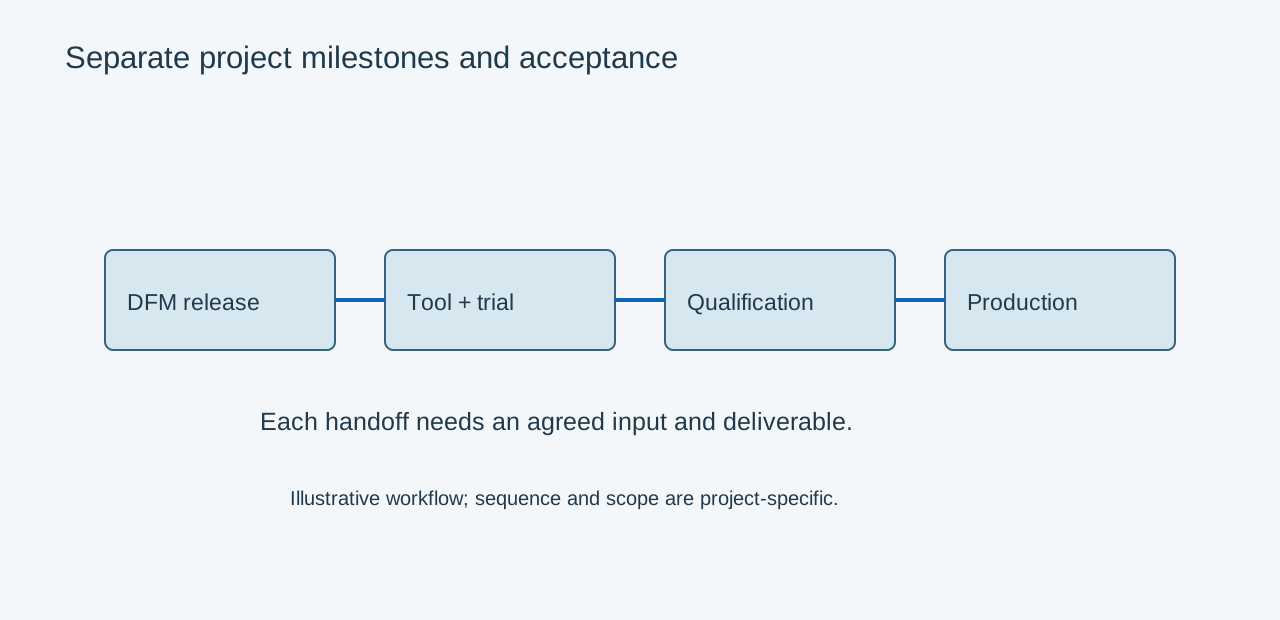
Reconcile the asset and file package
| Handover item | Required detail | Check before transfer |
|---|---|---|
| Die and inserts | Asset IDs, revision and included components | Physical register and photographs |
| Related tools | Trim tools, machining fixtures and gauges | Completeness and ownership |
| Technical files | Agreed drawings and available controlled files | Revision and permitted use |
| History | Repairs, maintenance and known issues | Condition and restart risks |
| Quality baseline | Approved samples and reports | Acceptance basis for the new route |
Access to physical steel does not automatically settle rights to every design or process file. Resolve those terms directly in the handover agreement. Keep the tool list specific enough that missing inserts or fittings are discovered before arrival.
Review the receiving machine and route
Check die envelope, mounting, shot requirements, clamping, ejection, core actions and utility connections against the proposed equipment. A matching nominal tonnage does not establish full compatibility. Tool modifications can affect cooling, fill and release, so identify them before committing a restart date.
Machining fixtures and inspection methods need attention too. A transferred casting die does not guarantee that the new machining setup reproduces the previous datum relationships.
Requalify production deliberately
Use identified trials to compare the new route against the approved drawing and functional requirements. Retain cavity identity and inspect critical dimensions, appearance and relevant leakage or assembly behavior. Record the new operating conditions rather than assuming the previous settings transfer unchanged.
For an illustrative housing, the first transferred samples fit the general envelope but show a different sealing-land cleanup pattern. Review location, raw shape and process before accepting them as equivalent because the tool is the same.
Plan buffer stock and the disposition of work in progress. Agree who authorizes production, how failures are contained and what happens if tool repair is required. The transfer is complete when the receiving route can deliver approved parts with traceable records, not when the freight receipt is signed.
Related engineering decisions
- Die Casting Lead Time: From Tooling to Shipment
- A Die Casting Supplier Audit Checklist for Buyers
- Related manufacturing service
- Read the broader engineering guide