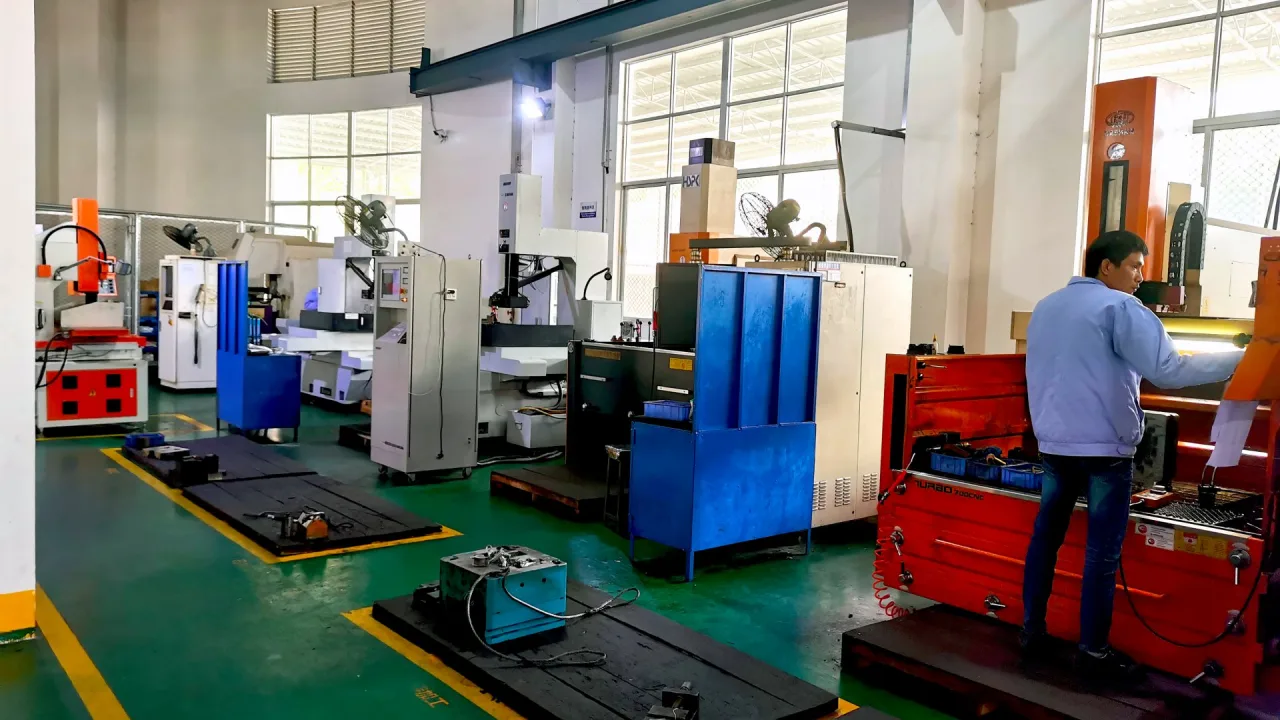
Tooling scope
The die forms the component while controlling cavity filling, gas evacuation, solidification, ejection and repeatable production. Tool design also accounts for trimming, secondary machining and maintenance access.
Die design
The tool may include fixed and moving die halves, cores, slides, ejectors, runners, gates, overflows, vents, cooling circuits and replaceable inserts. Part geometry, alloy, production volume and machine configuration determine the design.
Review before manufacture
Complete design for manufacturability (DFM) and resolve the decisions required for tool release. Confirm the drawing revision, parting line, draft, radii, wall transitions, shrinkage allowances, machining stock, cosmetic areas and change-control requirements.
Trials and production approval
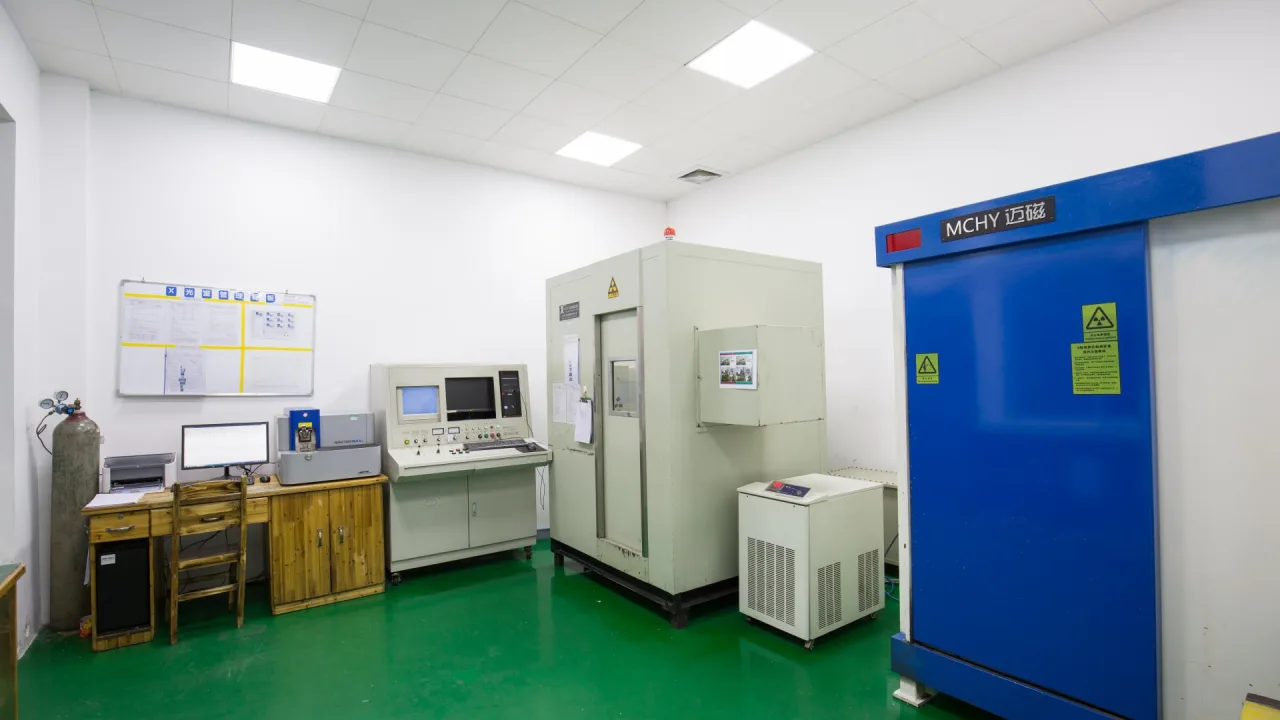
Trial records should include sample dimensions, casting quality, filling and thermal observations, trimming results and machining locations. Record corrective actions and revisions, and complete the agreed sample approval before production release. Maintenance requirements and replaceable features should be documented with the tool.