Process overview
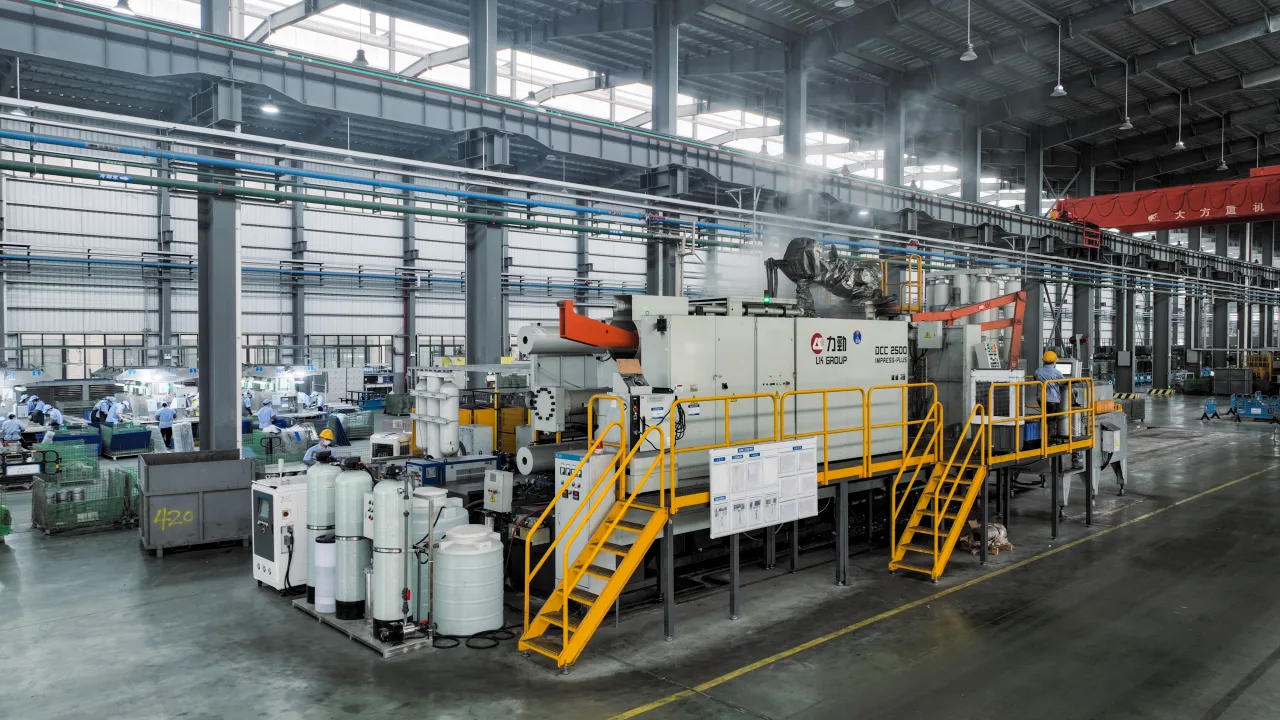
High-pressure die casting fills a steel die with molten alloy under pressure. Die design, melt handling, injection settings and thermal control influence filling, solidification and casting quality. The machine, die and material are assessed as a production system.
Part and die design
The design review addresses wall transitions, draft, radii, gates, runners, overflows, venting, cooling and ejection. The filling pattern must allow gas to leave the cavity, and ejection must support the component without unacceptable distortion or surface damage.
Machined bores, bearing seats, sealing faces and mounting datums require defined machining allowances and stable locating features. Cosmetic surfaces, parting-line flash limits and coating masks should be identified before tooling release.
Process planning and validation
A production plan may include alloy receipt, melt and die preparation, injection, pressure application, cooling, ejection, trimming and deburring. Secondary machining, cleaning, finishing and assembly are included where specified.
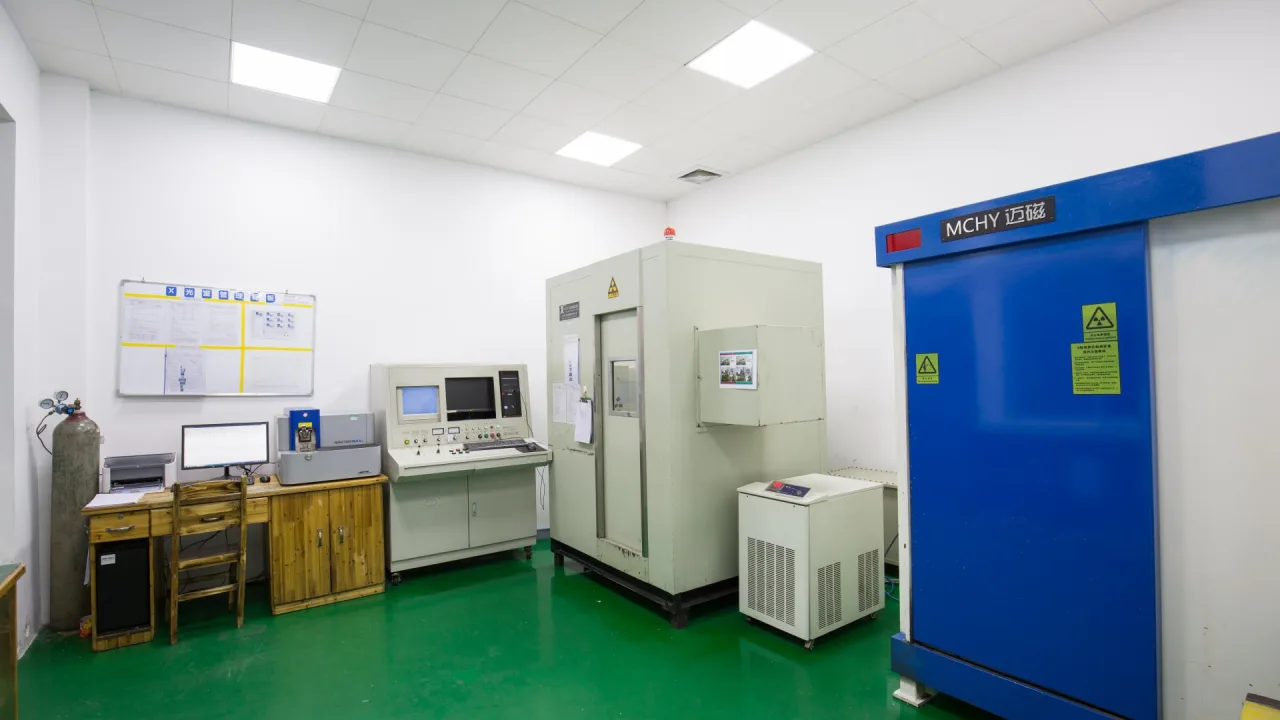
Trials assess the proposed settings and tooling against sample dimensions, filling behavior, internal quality and functional requirements. Gas porosity, shrinkage, cold shuts, die soldering, flash and distortion have different causes and require appropriate corrective actions.
Where statistical process capability is required, agree the characteristics, measurement system, sampling plan and acceptance criteria. Capability assessment uses production measurements and requires a stable process; an initial DFM review does not establish a capability index. NIST process capability guidance
Process suitability and production cost
Repeat demand, integrated features and a stable design can justify dedicated tooling. Review tooling investment, maintenance, material utilization, cycle time, yield and secondary operations against the expected production volume. Very low quantities, frequent revisions or demanding internal-quality requirements may call for another manufacturing process.
Machined prototypes can support fit and assembly checks. Casting-specific properties, porosity and production variation must be assessed using representative cast samples.
Information required for quotation
Provide the drawing and CAD revision, alloy specification, part function, batch and annual quantities, cosmetic requirements, inserts, finish and secondary machining requirements. Identify leakage, structural or porosity-sensitive requirements and the required test methods, inspection records and tooling-life expectations.