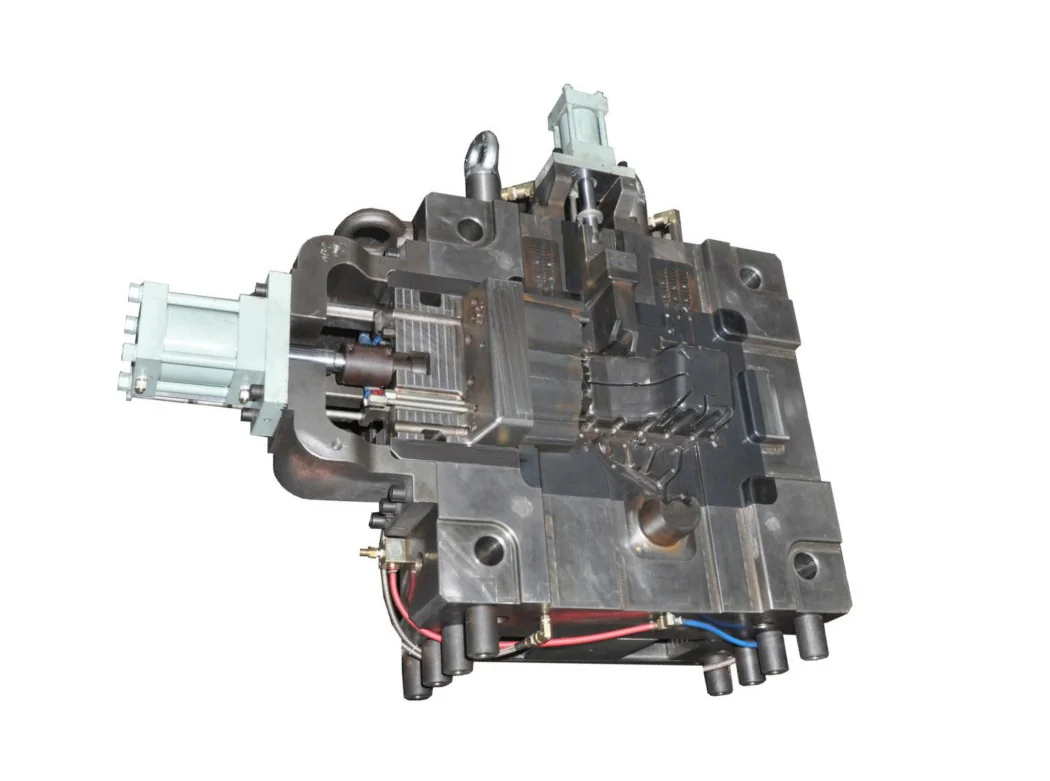
Start with the tooling workflow when a project is moving from an approved part definition toward design release and T1. It identifies the records and decisions needed at each gate. Use the defect guide when evaluating casting observations, choosing a verification method or planning corrective action.
For geometry and release decisions, also read the DFM checklist. Weight, wall and tolerance references are maintained in the die casting capability pages, with their project-specific conditions.
Die Casting
Die Casting Tooling Transfer: A Restart Plan
A transferred die needs an agreed asset package, compatibility review and production restart plan. Moving the steel is only one milestone.
Select motor-housing bearing fits from ring load, thermal expansion and the locating arrangement, then verify bore geometry in the required assembly condition.
EMI Shielding for Die Cast Enclosures: Seams and Contacts
The lid seam, connector termination and finish often decide how well a metal enclosure shields. Design and test the conductive boundary as an assembly.
LED Light Housing Design: Thermal, Sealing and Mounting
The housing connects the LED board, optics, seal and mounting hardware. Define those interfaces before choosing fin geometry or approving the casting tool.
Die Cast vs Extruded Heat Sinks: Compare the Finished Design
Extrusion suits a repeated profile; die casting can integrate a three-dimensional housing. Compare both as installed thermal assemblies, including their secondary work.
Flash in Die Casting: Find the Gap, Then Control the Edge
Flash is extra metal at a tool gap. Map its location and trend before trimming it away, then separate tool closure problems from the finished-edge requirement.
A leak limit means little without the medium, pressure, part state and test boundary. Build a repeatable test around the finished component and its service requirement.
Porosity After Machining Die Castings: Finding the Cause
An open pore on a machined face is evidence to investigate, not a diagnosis. Trace the cut depth, casting location and final leak path before changing the process.
Aluminum Motor Housing Design: Datums, Fits and Machining
Design aluminum motor housings around bearing alignment, stator location, thermal fits and machining support. Plan checks in free and assembled conditions.
Die Cast Enclosure Design: Seals, Clearances and Assembly
Plan die cast enclosure clearances, gasket joints, machining and grounding together. Use an assembly-based review before committing to the casting tool.
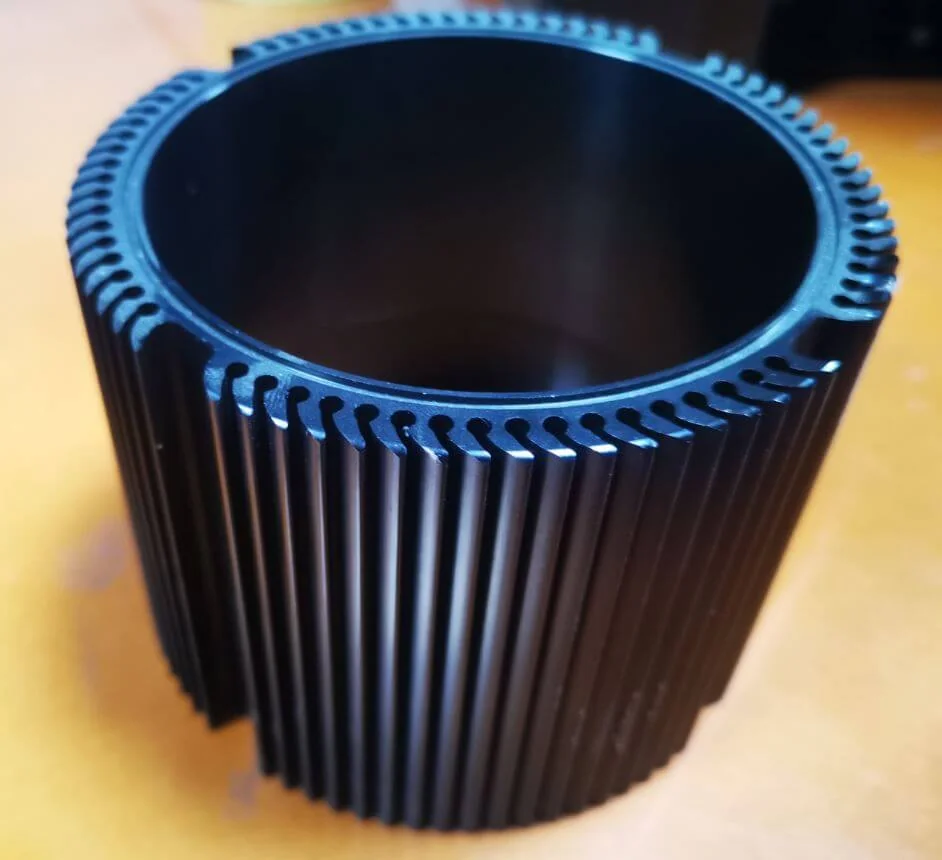
Die Cast Heat Sink Design: Thermal Budget and Geometry
Design a die cast heat sink from heat load, local air temperature and interface resistance. Check fin access, machining and the installed cooling path.
Die Casting Defects: Causes, Prevention, and Inspection Strategy
A practical framework for classifying casting defects, investigating interacting causes, selecting controls, and matching inspection to functional risk.
From DFM to T1: A Practical Die Casting Tooling Workflow
A practical view of tooling development from requirement review and mold concept through steel release, T1 sampling, correction, approval, and maintenance planning.