
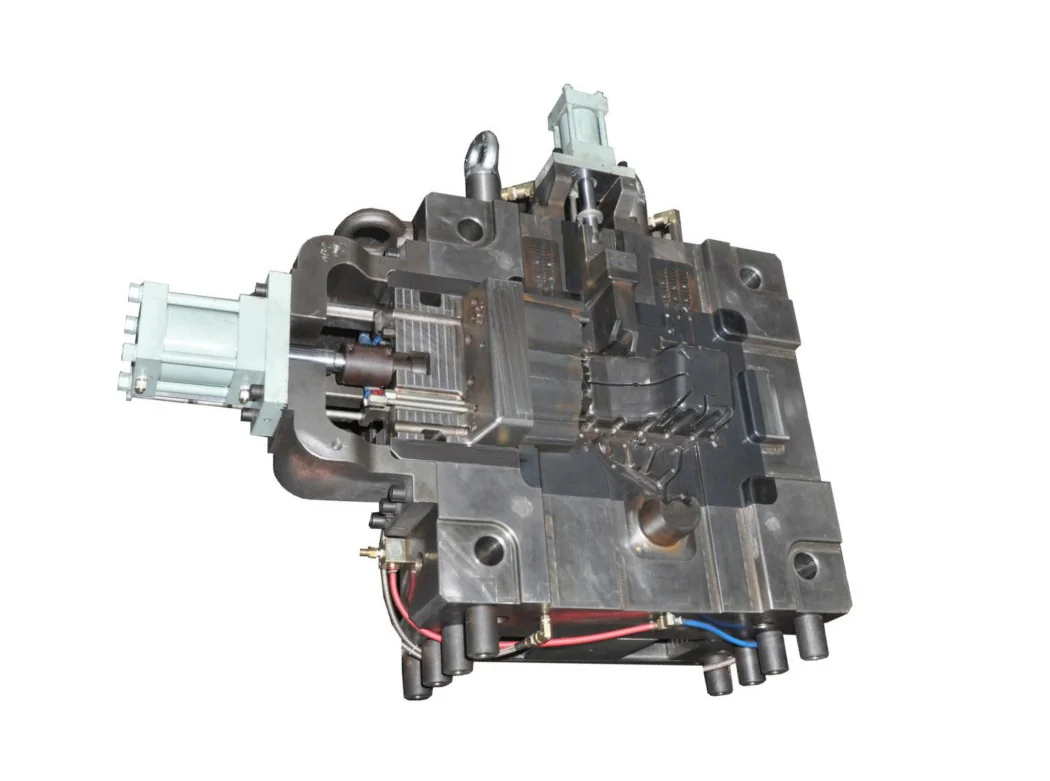
Die casting tooling cost reflects the tool system needed to make and validate a particular component. Geometry, die actions, cavity count, cooling, ejection and the required maintenance arrangement matter more than the part's outside size alone.
Compare the same tool scope
A tooling price may cover only the casting die or may include trim tooling, machining fixtures, gauges, trials and sample reports. Separate these items. Ask which design files, replacement inserts and sample iterations are included. A low opening price can become expensive if essential validation is excluded.
| Cost driver | What changes the work | Question for the quotation |
|---|---|---|
| Side actions | Slides, locking and service access | Which features require independent movement? |
| Cavity count | Tool size, balancing and machine demand | What accepted output justifies the cavity plan? |
| Local inserts | Manufacture, replacement and cooling | Which wear areas can be replaced? |
| Ejection and trimming | Pin layout, support and trim route | Where are witness marks permitted? |
| Validation | Trials, measurement and corrections | What constitutes tooling acceptance? |
Turn geometry into commercial decisions
An undercut can create a slide that remains a maintenance item throughout production. Moving a noncritical hole to a later machining operation might simplify the die but increase recurring cost. Compare both totals over a stated demand scenario. Conversely, removing a small amount of secondary machining may not justify a much more complex tool.
An illustrative tool proposal of $20,000 with $3,000 of excluded fixtures is not directly comparable with a $25,000 complete package. Add the fixtures, sample inspection, freight and agreed correction scope before comparing. These figures are invented arithmetic examples, not supplier quotations.
Define ownership and acceptance
Record asset identifiers, storage arrangements, maintenance responsibility and conditions for transfer. Physical ownership does not by itself define access to every design or process file. Tool life estimates need a defined alloy, production basis, maintenance plan and repair scope; they should not become an unconditional shot-count promise.
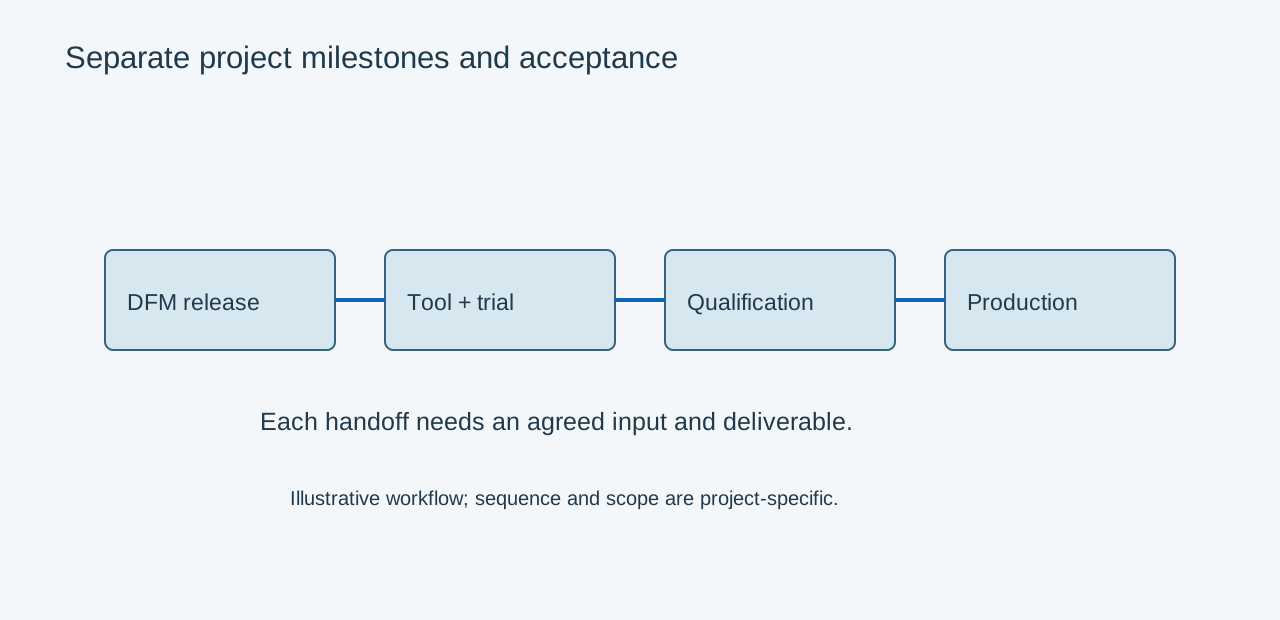
Ask for an acceptance package that links the approved drawing revision, cavity identity, trial samples and critical results. Keep payment milestones aligned with those agreed deliverables. For a realistic review, provide the 3D model, finished drawing, cosmetic zones, annual demand and expected product changes together.
Related engineering decisions
- Calculating the Break-Even Quantity for Die Casting
- Transferring Die Casting Tooling to a New Supplier
- Related manufacturing service
- Read the broader engineering guide