
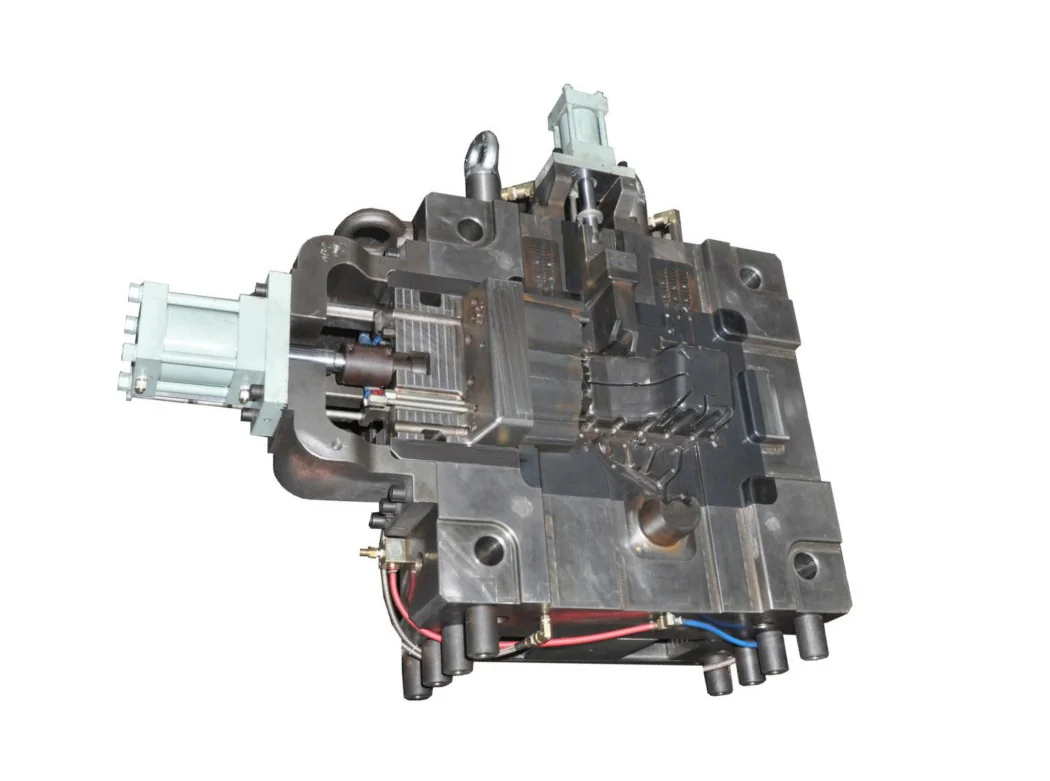
The die casting parting line is where die members meet. Its location affects release, trimming, appearance and dimensions across the split. Choose it with the functional interfaces and tool actions visible, rather than leaving it until the die model is complete.
Map the split against sensitive surfaces
Mark gasket lands, visible faces, bearing seats, mounting pads and connector openings. A parting witness across one of these zones may need a controlled limit or later machining. Distinguish a residual line, step between die members and removable flash: they create different acceptance questions.
| Location | Potential consequence | Design response to review |
|---|---|---|
| Seal land | Local discontinuity at the joint | Move the split or machine the functional land |
| Visible face | Witness or trim mark | Define cosmetic zone and appearance limit |
| Locating bore | Mismatch across the split | Review core strategy and finishing |
| Deep undercut | Additional die action | Compare geometry change and side action |
| Trim edge | Access and edge damage | Agree trim route and final edge condition |
Review ejection and dimensions together
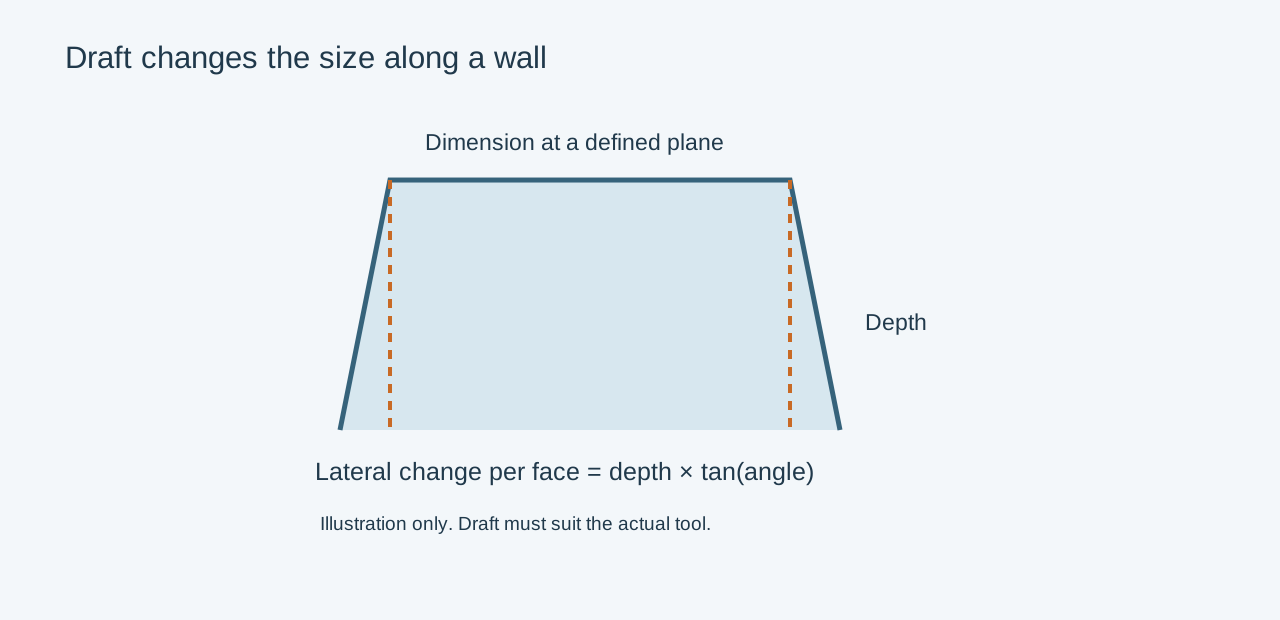
The casting needs to remain with the intended die member and eject without damaging functional features. Draft, undercuts and pin support influence that behavior. Keep ejector witness zones explicit; a hidden surface in the final assembly may offer more freedom than a gasket face.
Dimensions crossing die members can respond differently to alignment and tool movement from dimensions formed in one member. Identify the relationship the assembly actually needs and agree its inspection basis. Do not use a generic tolerance note to hide a parting-step requirement.
Resolve the alternatives before cutting steel
For an illustrative enclosure, moving the split away from the gasket land may simplify sealing but create a new side action around a connector. Compare the whole tool and finishing route. Another option may be to keep a simpler split and machine a defined sealing band. The lower-cost choice depends on demand, machining access and acceptance requirements.
Approve a marked model showing parting, die-opening and ejection directions. Include sample photographs or drawings of permitted witnesses where appearance matters. First-article inspection should check the agreed zones after trimming and finishing, so the drawing's intent reaches the delivered component.
Related engineering decisions
- Die Casting Draft Angle: How to Specify It
- Flash in Die Casting: Causes, Prevention and Removal
- Related manufacturing service
- Read the broader engineering guide