Necessary storage supports secure forms, website sessions and your privacy choice. Optional analytics helps ZAODA understand visits, page use and enquiry interactions. Website Analytics is enabled by default. Uncheck it and save your preferences to stop analytics.

Your choice is saved for 180 days. We ask again when it expires or these settings change.

Necessary

Always active

These cookies keep the website and enquiry forms working securely and remember your privacy choice. They also support administrator authentication.

Cookies and browser storage

Necessary: zaoda-session and XSRF-TOKEN cookies support sessions and form security and last for 2 hours, renewed by website activity. The zaoda:consent local storage record remembers this privacy choice until its expiry. Optional analytics: zaoda:analytics:visitor uses local storage; zaoda:analytics:session and zaoda:analytics:last-activity use session storage. A new analytics session begins after 30 minutes of inactivity. These identifiers are removed when analytics is declined, consent expires or the consent version changes. Session storage normally ends with the browser tab; browser settings can also clear site data.

Cookie Policy
Selection guidance

Manufacturing Material Resources

Surface-finish selection for cast and machined metals, supported by links to grade and material-condition references.

Front cover photographed in the ZAODA manufacturing facility
Engineering knowledge

Manufacturing Guides

Select the surface with the substrate

The published guide in this topic compares finish families, functional surfaces, masking and acceptance requirements. Its selection matrix and downloadable zone plan help turn a finish name into a reviewable specification.

For grade selection, use the separate materials library and casting-alloy specification guide. Those pages distinguish material families, grades and conditions; the finish article does not replace a material specification.

ZAODA cast motor housing photograph with machined bores and mounting flanges
Materials

Aluminum Series 1000–8000: A Selection Overview

Choose aluminum by product form, condition and manufacturing route before comparing broad alloy-series labels.

Read engineering guide →
ZAODA zinc-alloy communication shell photograph
Materials

Zamak 5 Alloy

Compare Zamak 5 with Zamak 3 using strength, deformation, joining and finish requirements for the actual hardware component.

Read engineering guide →
ZAODA cast motor housing photograph with machined bores and mounting flanges
Materials

AlSi10Mg Material & Process Selection

Separate AlSi10Mg material selection from assumptions about heat treatment, weldability or the equipment used to make the casting.

Read engineering guide →
ZAODA cast motor housing photograph with machined bores and mounting flanges
Materials

AlSi9Cu3 / EN AC-46000

When ordering AlSi9Cu3, identify the complete designation, applicable standard and part requirements instead of relying on a shortened alloy name.

Read engineering guide →
ZAODA cast motor housing photograph with machined bores and mounting flanges
Materials

A383 Aluminum Alloy

Evaluate A383 when filling complex casting geometry is part of the material decision; keep strength, finishing and substitution approval explicit.

Read engineering guide →
ZAODA enclosure photograph showing external fins and circular port openings
Materials

Silk Screen Printing & Part Marking

Make screen-printed part markings readable, durable and correctly located on the finished casting.

Read engineering guide →
ZAODA enclosure photograph showing external fins and circular port openings
Materials

Blasting Aluminum Parts: Media, Masking and Finish Control

Choose blasting media for aluminum parts, protect fits and sealing surfaces, and approve texture, cleanliness and the final coated appearance.

Read engineering guide →
ZAODA enclosure photograph showing external fins and circular port openings
Materials

Chrome Plating Aluminum Parts

Distinguish decorative chrome from an engineered wear coating and define the full coating stack for an aluminum casting.

Read engineering guide →
ZAODA enclosure photograph showing external fins and circular port openings
Materials

Nickel Plating Aluminum Castings

For nickel on aluminum, define the deposition process, substrate preparation, coating build and final interface requirements.

Read engineering guide →
ZAODA enclosure photograph showing external fins and circular port openings
Materials

Conversion Coatings for Aluminum Castings

Specify an aluminum conversion coating by its functional role, material system and acceptance tests.

Read engineering guide →
ZAODA zinc-alloy communication shell photograph
Materials

Zamak 3 Alloy: Composition, Properties and Applications

Understand Zamak 3 composition, typical strength and density, then check service loads, finish thickness and assembly fit before specifying the alloy.

Read engineering guide →
Machining equipment in the authorized production photo collection
Materials

ADC12 vs 6061: Compare the Material and the Process

ADC12 and 6061 are not substitute names for aluminum. The useful comparison includes casting versus wrought stock, temper, finish, geometry and production qualification.

Read engineering guide →
Metal hardware component from the authorized production photo collection
Materials

Zamak 3 vs Zamak 5: Strength, Forming and Part Selection

Compare Zamak 3 and Zamak 5 for strength, staking, sustained loads and finished dimensions. Choose with assembly trials instead of a strength table alone.

Read engineering guide →
Surface processing area in the authorized production photo collection
Materials

Anodizing Die Cast Aluminum: Appearance and Design Limits

Assess anodizing for die cast aluminum with alloy-specific samples, masking and finished dimensions. Plan realistic cosmetic and functional acceptance.

Read engineering guide →
Surface processing area in the authorized production photo collection
Materials

Powder Coating Die Cast Aluminum: Cure, Fit and Quality

Specify powder coating on die cast aluminum through pretreatment, part-temperature cure, masking and finished fit. Investigate pinholes without guesswork.

Read engineering guide →
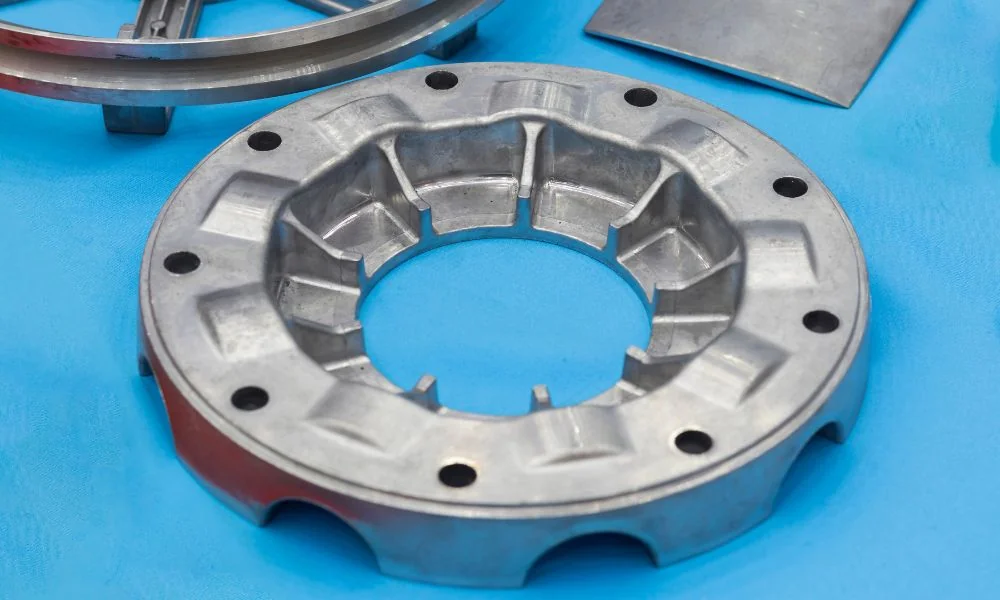
Circular metal component with radial ribs and drilled flange holes
Materials

A380 vs ADC12: Alloy Differences and Substitution Checks

Compare A380 and ADC12 material callouts, chemistry evidence and finished-part requirements before approving a die casting alloy substitution.

Read engineering guide →
ZAODA cast motor housing photograph with machined bores and mounting flanges
Materials

A380 Aluminum Alloy

Use A380 as a defined casting material specification, then review machining, sealing and finishing on the actual component.

Read engineering guide →
ZAODA cast motor housing photograph with machined bores and mounting flanges
Materials

ADC12 Aluminum Alloy

Specify ADC12 by its governing material standard, casting requirements and finished-part tests before approving a substitute alloy.

Read engineering guide →
Representative metal parts with different surface finish appearances
Materials

How to Select a Surface Finish for Metal Parts

Select and specify finishes for cast and machined parts using material compatibility, service conditions, functional requirements and appearance criteria.

Read engineering guide →
Ready for a manufacturing review?

Request a Quote

Submit drawings, 3D models and specifications for review. Include material, quantity, tolerances and finish requirements.

Apply This to My Part →